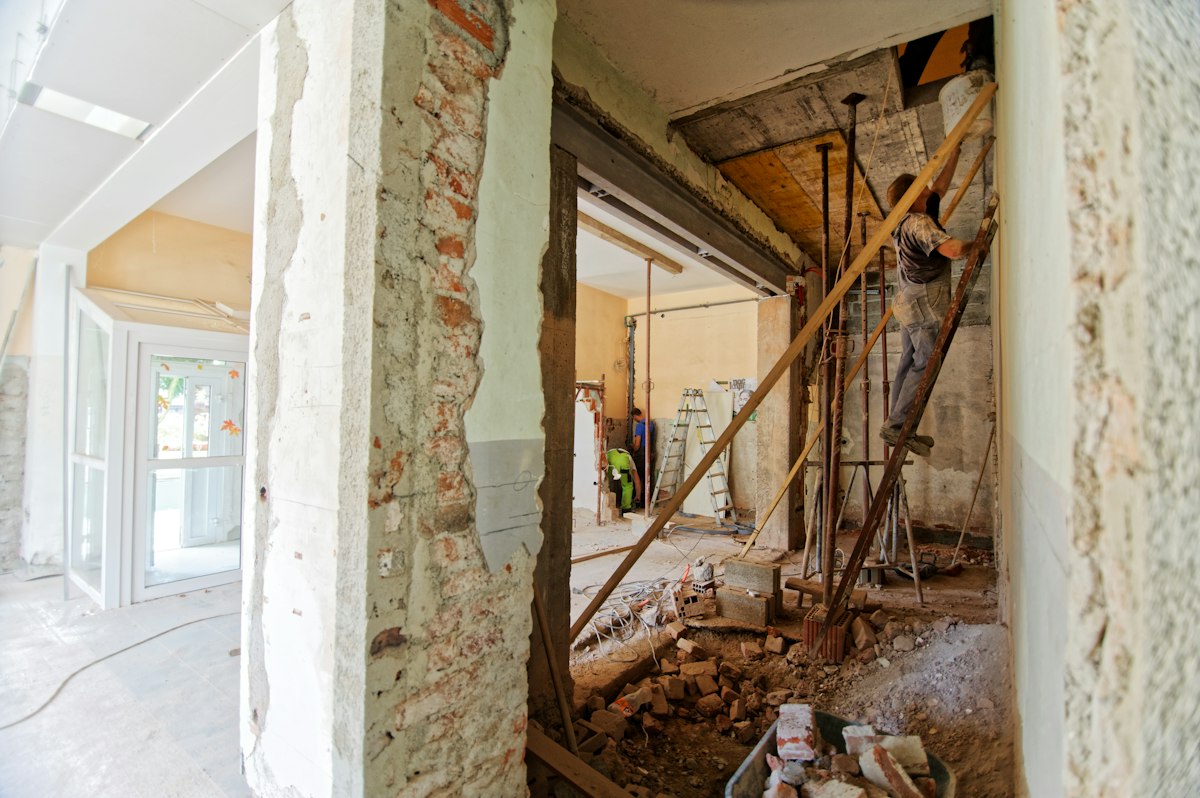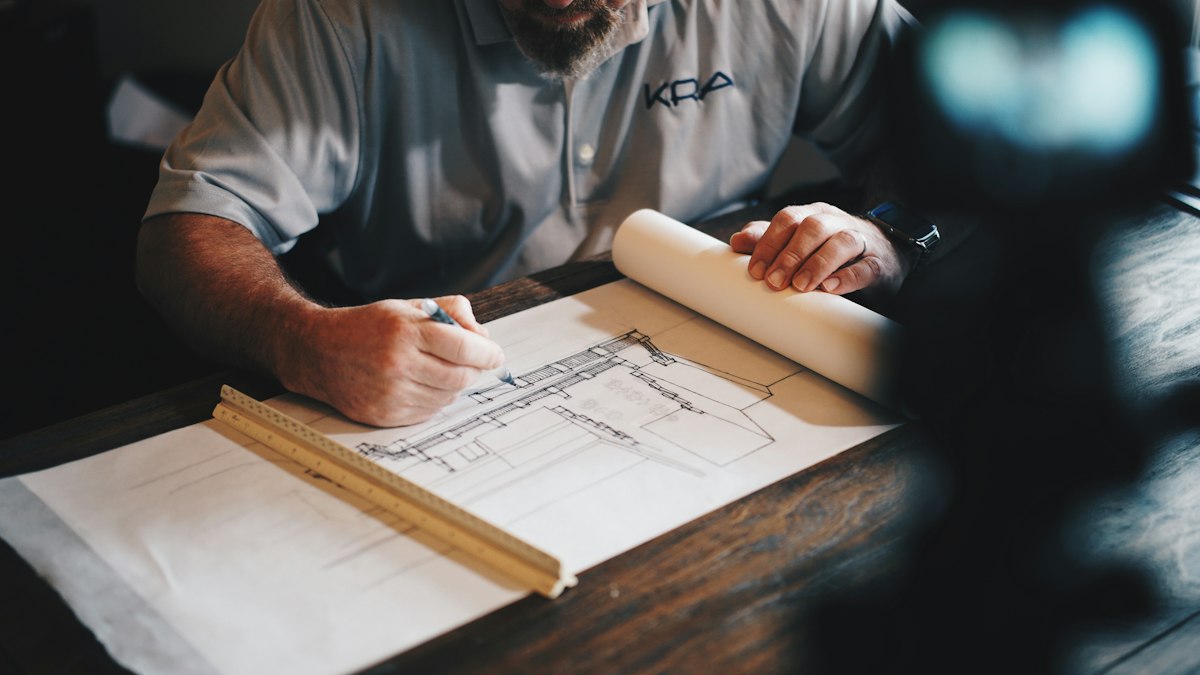
Walk the site in a consistent order and focus on decisions that affect the next stage of work. Bring the latest drawings and selection records. Photograph a detail only when it helps identify the issue and when it is safe to enter the area.
Separate questions from instructions. If you want a change, ask for its cost and timing effects before approving it. Confirm who has authority to make decisions so different household members do not give conflicting directions to the same trade.
Finish with a short written record of agreed actions, responsible people and required decisions. Keep it accessible to the project team. Regular focused meetings can resolve uncertainty early without interrupting the work repeatedly throughout the day.
Agree an agenda before the meeting so the necessary people and information are available. A discussion about cabinet positions may need the latest appliance drawings, while a concealed defect may require a specialist assessment. Ask the lead contractor what decisions affect the upcoming stage. Bringing those questions together can make a short planned meeting more productive than several interruptions during active work.
Discuss one issue at a time and point to a clear location or drawing reference. Photographs can help where details look similar across several rooms. Distinguish a concern about quality from a request for a new feature so the response follows the appropriate route. A statement such as this is not what we discussed becomes more useful when it identifies the agreed detail and the visible difference.
Ask about the consequence of a proposed solution before authorizing it. Moving a fitting might affect a completed surface or require another trade to return. A practical answer on site is not automatically a cost approval. Record any unresolved price or timing question and follow the project change process rather than relying on the momentum of a conversation beside the work.
Keep the discussion safe and coordinated. Enter work areas only with permission and use any required protective arrangements. Avoid asking an individual trade to change the agreed plan independently of the lead contact. Conflicting instructions can make the next stage harder to manage, even when each conversation appears reasonable on its own.
Send a concise written record afterward with the decisions, actions and people responsible. Include the information you still need to provide and when it is required. Invite correction of an inaccurate note while the discussion is fresh. A site meeting is most valuable when it leaves the project with fewer open questions and a clear understanding of what happens next.
Review the action record before the next meeting rather than repeating the same discussion from memory. Confirm what has been completed and identify the information still missing. This keeps attention on unresolved decisions and reduces the risk that a previously agreed instruction is casually reopened on site.
Use these ideas to prepare a brief for your own property. Confirm measurements on site and ask appropriately qualified local professionals about approvals, technical design and work that requires specialist competence.