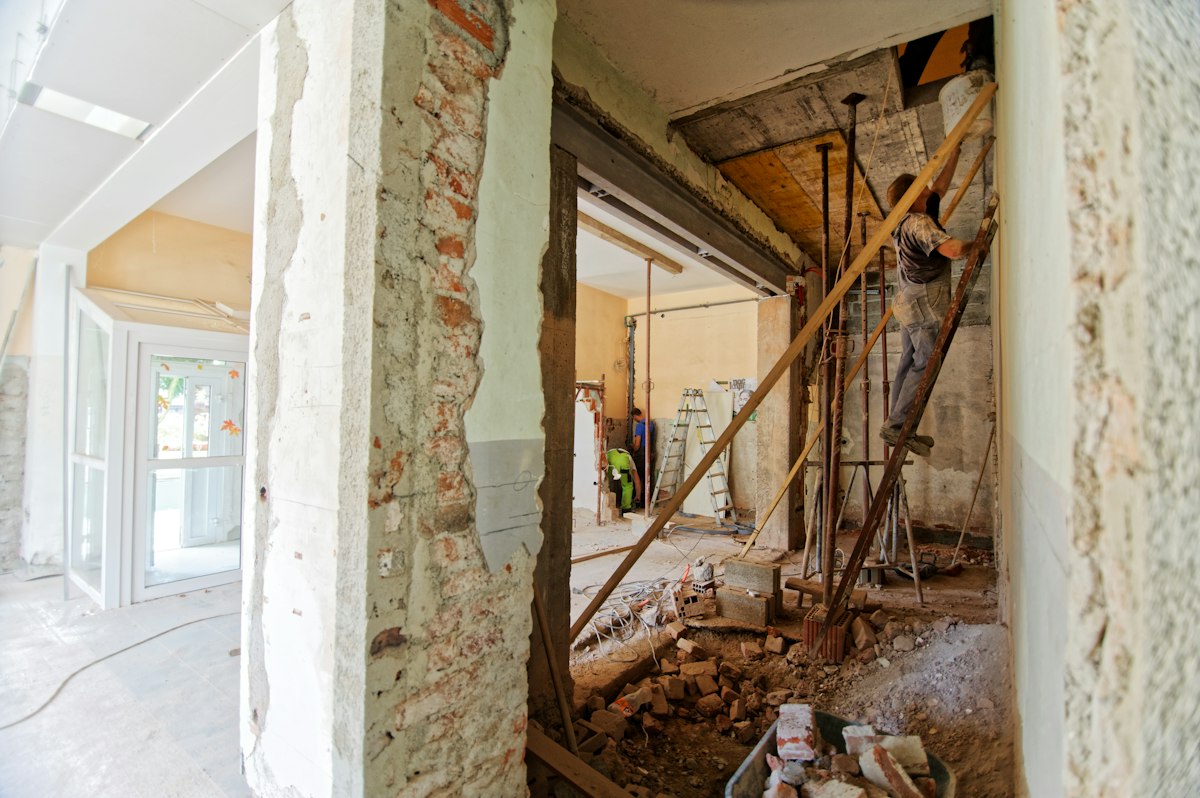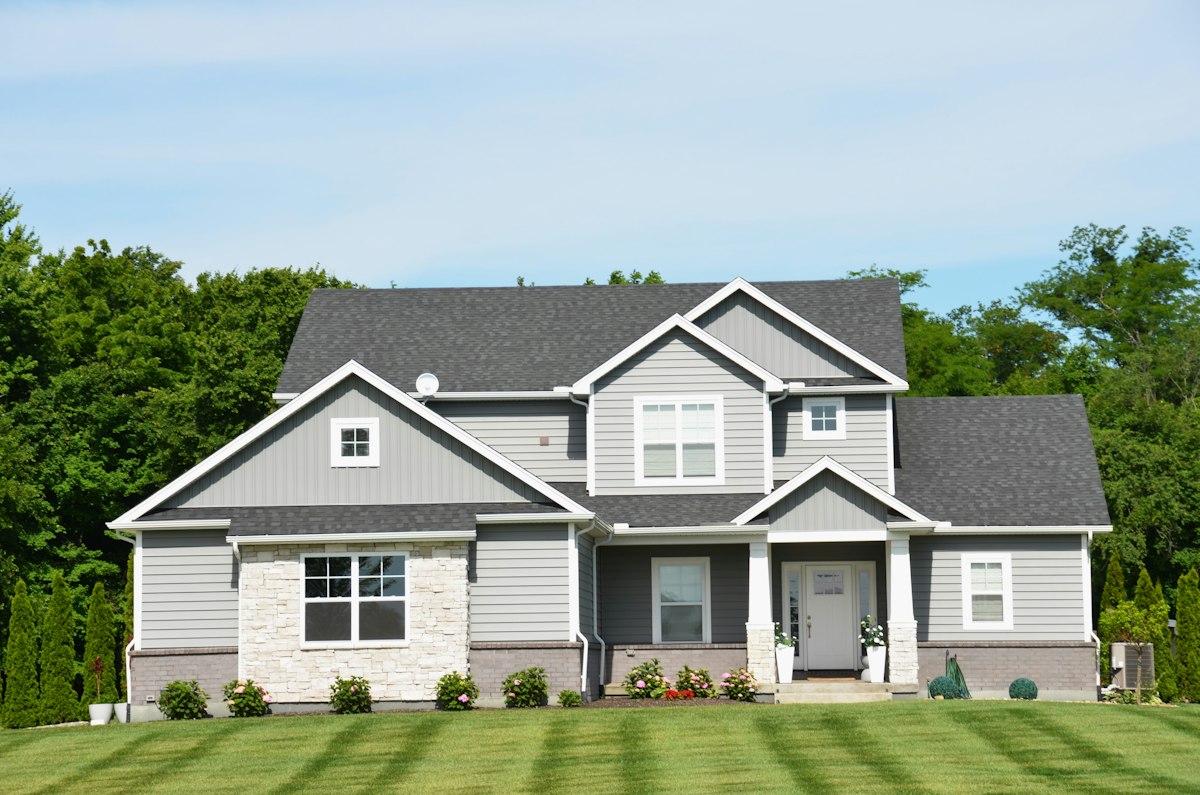
Start with the years you expect to use the home and the problems you want to solve. A premium feature can be worthwhile for daily enjoyment without being a reliable financial return. Separate personal value from assumptions about what a future buyer might pay.
Compare a modest solution with a more extensive remodel. Retaining a functional layout or repairing good cabinetry may free the budget for comfort and reliability. Consider the condition of the rest of the property before concentrating every resource in one room.
If resale is central to the decision, seek current local advice rather than relying on national averages. Do not borrow a budget from an exceptional listing. Choose a scope you can afford and that fits the character, location and everyday use of the home.
Separate improvements that solve a current problem from features added mainly because they are popular in listings or design media. A second preparation area may matter to someone who cooks frequently but add little for another household. Write down the benefit you expect and how often it will be used. This prevents an expensive project from growing around an imagined lifestyle rather than the home you actually occupy.
Compare a focused improvement with a comprehensive remodel, including the disruption as well as the finished appearance. Better storage and lighting may make an existing layout comfortable for several more years. On the other hand, repeated small upgrades may be wasteful if a major change is already needed. Judge the options against the likely period of use and the condition of what will remain.
Avoid allowing one premium room to conceal more pressing needs elsewhere in the property. A dramatic bathroom may be enjoyable, but unresolved roof, moisture or service concerns can require resources that the decorative project consumes. Seek appropriate assessment of those issues before committing the budget. A balanced home improvement plan should distinguish essential reliability from optional refinement.
If future resale forms part of the reasoning, discuss the local market with a qualified professional familiar with comparable homes. Treat their advice as context rather than a guarantee of recovery. Taste, condition, location and timing all affect buyer response. Do not assume that adding the most expensive available finish produces a corresponding increase in what someone else will pay.
Choose an investment you can afford to enjoy even if its resale benefit is less than hoped. Keep the scope proportionate to the property and avoid financing decisions based on a promised return from an unverified source. A useful renovation can be valuable because it supports daily life, while still acknowledging that personal enjoyment and financial performance are different measures of success.
Test a proposed feature against a quieter ordinary day rather than only an imagined party or sale viewing. A large island, elaborate bath or additional fitted unit occupies space throughout the year. Its occasional appeal should be weighed against how it changes movement, cleaning and use during normal routines.
Use these ideas to prepare a brief for your own property. Confirm measurements on site and ask appropriately qualified local professionals about approvals, technical design and work that requires specialist competence.