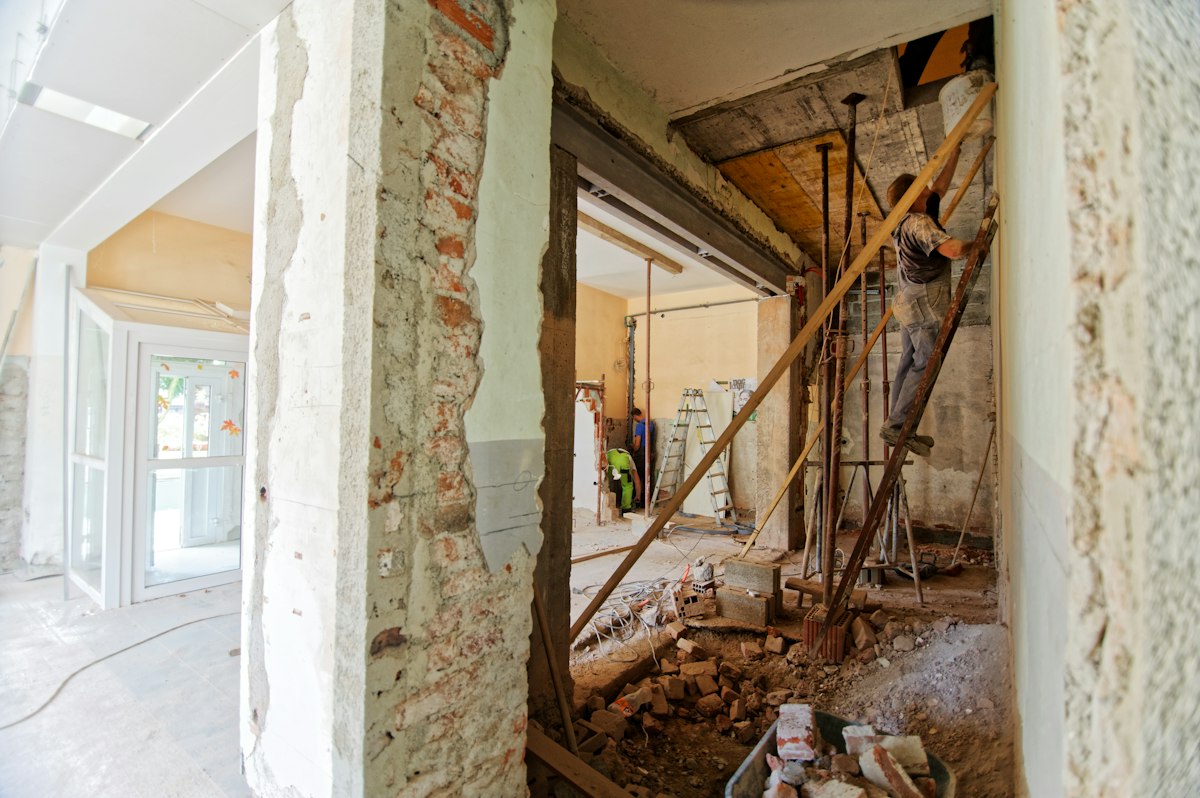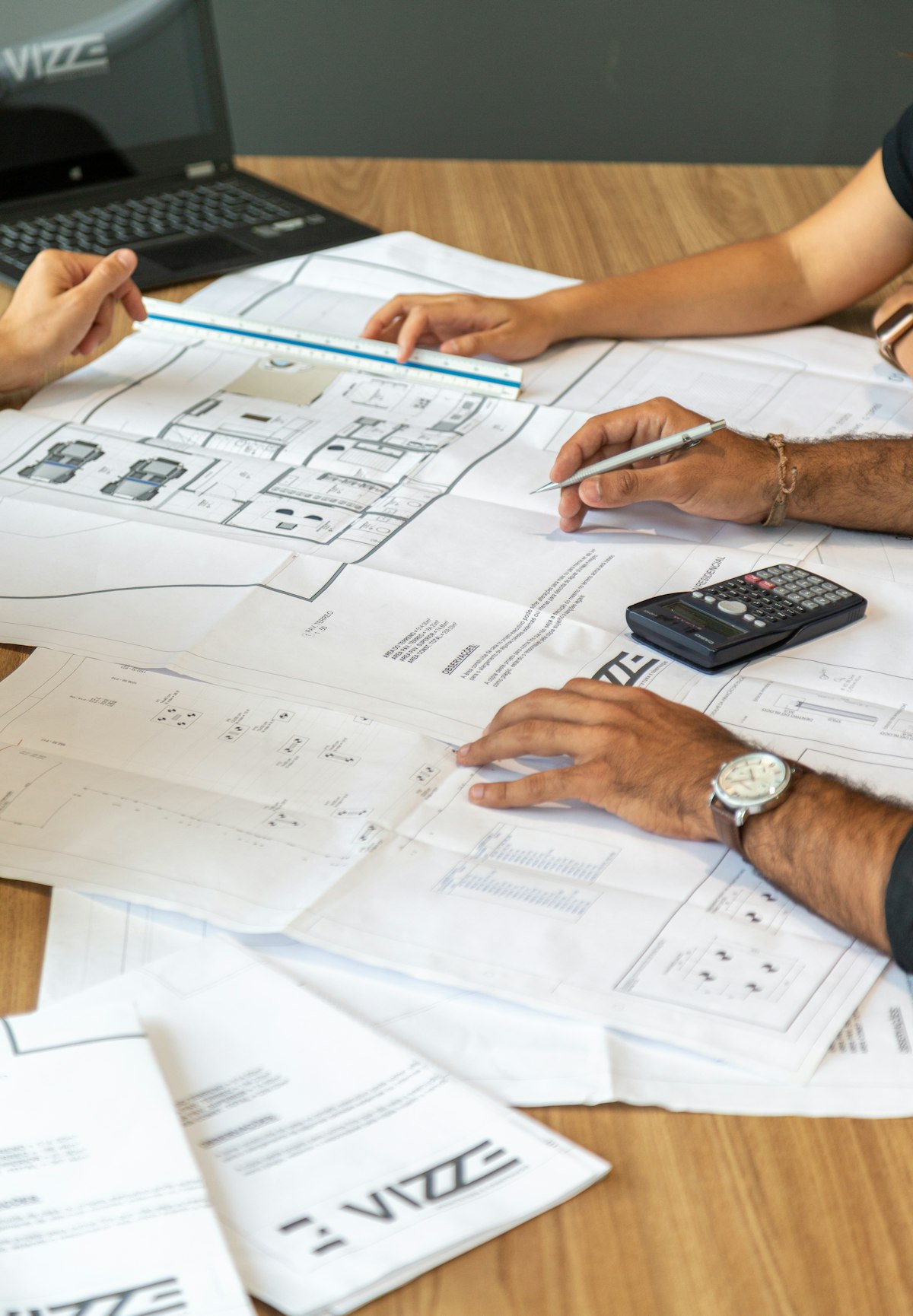
Begin with the work your home actually needs rather than a total borrowed from a magazine project. Separate essential repairs, useful improvements and optional finishes so that a late discovery does not force every decision back to the beginning.
Ask each contractor to price the same written scope. Include removal, preparation, delivery, protection, permits where required and final cleanup. A cheap estimate can become expensive when these necessary parts of the job have been left outside it.
Keep a separate contingency appropriate to the uncertainty of the building. Do not spend it on upgrades before concealed conditions are understood. Track committed costs as well as paid invoices, and revise the remaining budget whenever you approve a change.
Treat the budget as several connected envelopes rather than a single spending limit. One envelope covers investigation and design, another covers construction, and another covers the things needed to bring the room back into use. Temporary accommodation, replacement meals or storage may matter to your household even though they never appear on a builder invoice. Identifying these costs early prevents an apparently affordable construction quote from consuming money needed elsewhere.
Distinguish a confirmed price from an allowance. If a quote contains an allowance for tiles, establish the assumed quantity and what it includes. A chosen tile can affect preparation, trims, delivery and installation as well as its purchase price. Ask how the account will be adjusted when the actual choice is made, and record the difference before ordering rather than treating it as a surprise at the end of the job.
Keep a simple live record showing the approved amount, commitments already placed and payments already made. For example, a deposit for cabinetry does not describe the whole cabinet cost still owed. Include the balance and the installation responsibility so the remaining cash is visible. A forecast based only on money leaving the bank can make a project look healthier than it is while several large obligations remain unpaid.
Decide in advance which optional items could be postponed without damaging completed work. Decorative lighting, a freestanding cabinet or a more elaborate window treatment may be easier to defer than preparation beneath a fitted floor. Ask the contractor to identify the point at which each choice becomes difficult to change. This creates useful flexibility without assuming that every component can be removed from the plan at the last moment.
Review the budget whenever a hidden condition is found or a significant selection changes. Compare the revised total with the resources actually available, then adjust the scope before authorizing more work. Resist using the contingency to justify an attractive upgrade while uncertain work remains. The objective is a finished, dependable room with manageable obligations, rather than a collection of premium choices surrounded by tasks that the budget can no longer support.
Before accepting an upgrade, write its effect on the remaining budget beside the item rather than keeping it in your head. Include any related labour and materials that the change triggers. A small visible decision record makes it easier to compare the upgrade with the essential work still to be paid for.
Use these ideas to prepare a brief for your own property. Confirm measurements on site and ask appropriately qualified local professionals about approvals, technical design and work that requires specialist competence.