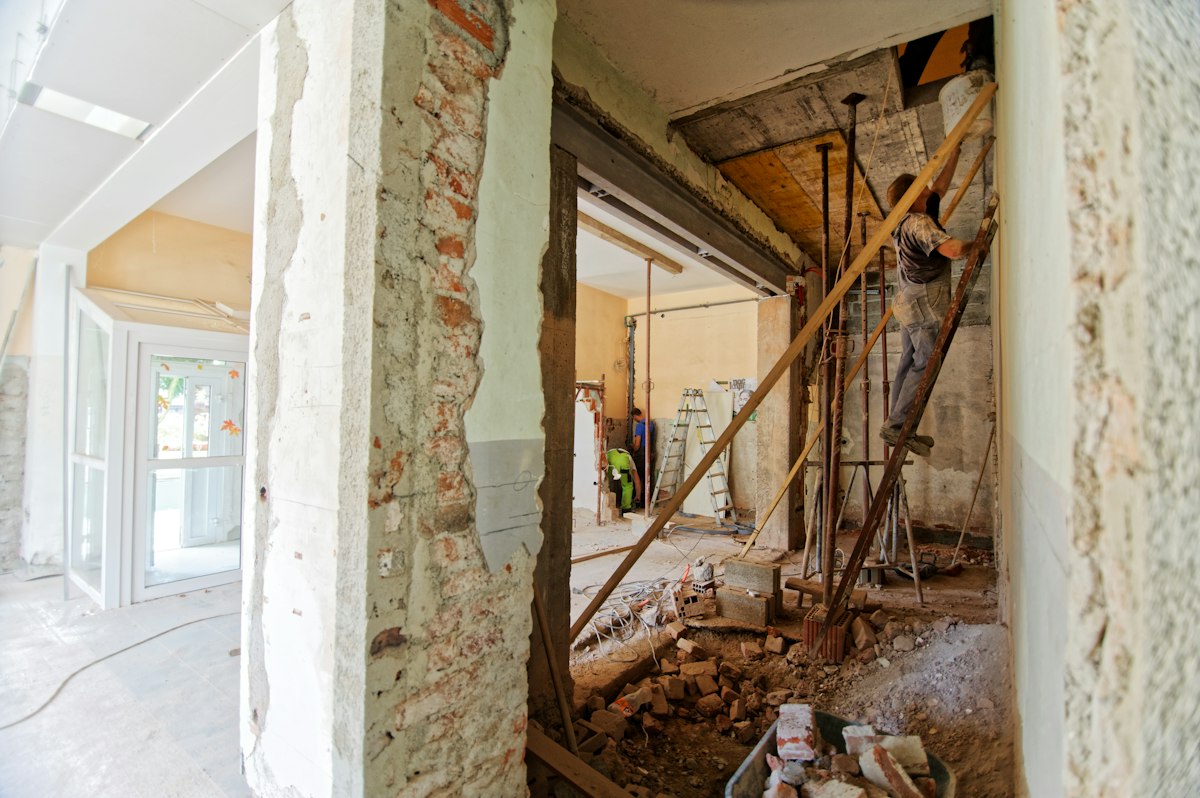
Create a simple folder for the products and systems installed during the project. Include manufacturer names, colour references, receipts and care instructions. Save photographs of concealed services when these have been supplied or taken with permission before closure.
Record warranty conditions and the contacts responsible for each part of the work. Note maintenance tasks in language you will understand later. Separate a manufacturer recommendation from a contractor preference so future decisions have a clear source.
Keep digital copies backed up and label spare tiles or paint with their room and location. Update the file when a component changes. A modest amount of organization at handover can prevent an expensive search for matching material years later.
Organize records by room and by system so information can be found when something needs attention. A photograph of a fitting may help identify it, but include the manufacturer and model reference where available. Record which professional supplied or installed the item. A file that connects the visible component with the responsible contact is more useful than a large unsorted collection of receipts.
Keep instructions for routine care separate from documents that are needed only for a repair or claim. Household members should be able to find the correct cleaner or control guidance without reading every warranty. Retain the full original manuals for detail, and note any installer advice in a way that identifies its source. Where instructions conflict, ask the relevant supplier or professional to clarify the correct approach.
Label physical spares with the room, product and installation location. Two similar white tiles or cabinet hinges can be difficult to distinguish later, particularly when the packaging has been discarded. Store materials only under conditions suitable for the product and keep safety information with any coatings or chemicals. A small useful reserve is easier to maintain than a pile of unidentified leftovers.
Add photographs of concealed work when they have been supplied or taken with permission, but understand their limits. They can help explain a general route or installation stage without guaranteeing that future drilling is safe. Keep required certificates and inspection records with the project information. Qualified assessment remains necessary when later work depends on the condition or function of a hidden system.
Review the file after a repair or replacement so it continues to describe the home accurately. Remove superseded material from the active care notes while retaining records that are relevant to warranties or earlier work. Back up digital copies and make the folder accessible to the people responsible for maintenance. A modest habit of updating information prevents the next improvement from beginning with the same avoidable uncertainty.
Keep the file usable by naming documents clearly, such as kitchen tap model or bedroom floor care. A folder of cryptic supplier downloads can be difficult to search during a repair. The value comes from finding the right information quickly, not from collecting the largest possible number of files.
Use these ideas to prepare a brief for your own property. Confirm measurements on site and ask appropriately qualified local professionals about approvals, technical design and work that requires specialist competence.