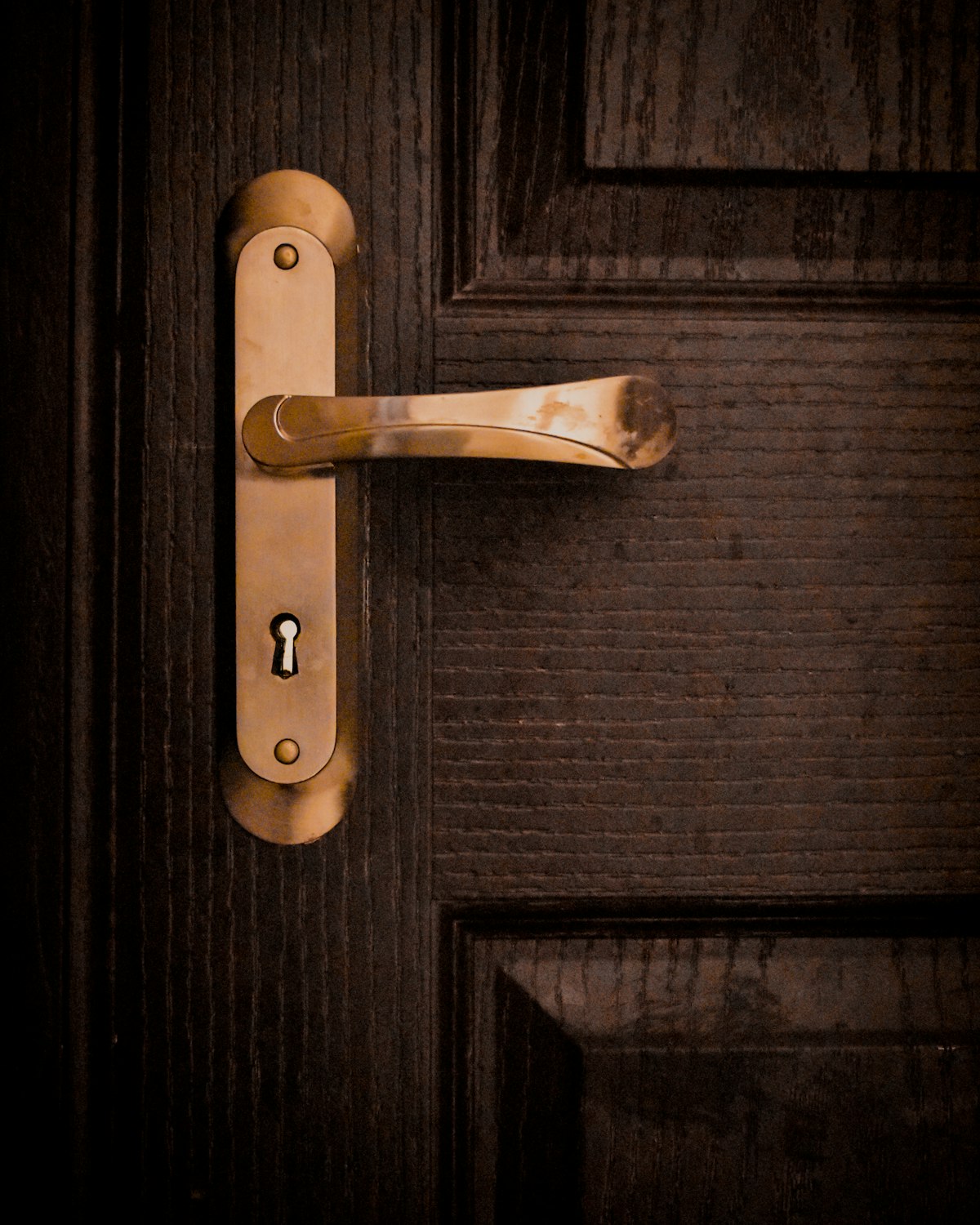
Check whether the visible metal is solid, plated, coated or treated before selecting a cleaner. A finish described as brass or chrome may have specific restrictions. Follow the supplier guidance because an abrasive polish can permanently change a decorative coating.
Use gentle approved methods and dry the surface after routine cleaning where directed. Avoid leaving strong products on fixtures while cleaning adjacent tile or stone. The cleaner suited to the surrounding material may not be suitable for the tap or handle.
Keep the model and finish reference for future replacement parts. Expect some finishes to develop a patina if that is part of their specification. The aim of care is to preserve the intended surface rather than force every metal to remain identically bright.
Identify the exact finish rather than relying on the colour name used in decoration. A metal fitting can have a protective coating, plating or an intentionally changing surface. Those details affect whether a polish or cleaner is appropriate. Look for the model and finish reference in the project records and ask the supplier when the treatment is unclear.
Consider the cleaner used on neighbouring surfaces before working around a fixture. A product intended for tile, glass or stone may damage the fitting if it drips or remains on its base. Follow the compatibility instructions for the whole area. Protect adjacent materials where directed rather than trying to clean every surface with the strongest product available.
Use the approved gentle method and avoid unnecessary pressure around edges, joints and engraved details. A visible mark may be residue, ordinary patina or coating damage, and each can need a different response. Stop when the finish changes unexpectedly. More vigorous polishing can remove a protective layer that cannot be restored by simply wiping the area again.
Keep moisture and residues from collecting where the fixture meets its supporting surface, using the care method specified for that installation. Inspect a loose base or a recurring deposit instead of treating it only as a cosmetic issue. A competent installer may need to assess the fitting or surrounding junction before a cleaning routine can address the visible symptom reliably.
Decide whether natural change is part of the finish you selected. Some products are intended to develop variation through use, while others depend on preserving a coating. Ask the supplier to explain the expected appearance over time. Trying to force an intentionally changing finish to remain uniformly bright can lead to unnecessary treatment and disappointment.
Retain the model information for replacement parts and future maintenance. A worn handle or cartridge does not always require the entire visible fitting to be replaced, but compatibility must be confirmed. Seek suitable help for repairs involving services. Good care keeps both the decorative surface and the working mechanism in view rather than focusing only on making the metal shine.
Always use the guidance for the exact product and finish in your home. Seek a qualified assessment before disturbing uncertain old materials, and do not treat general care advice as a substitute for diagnosing damage.