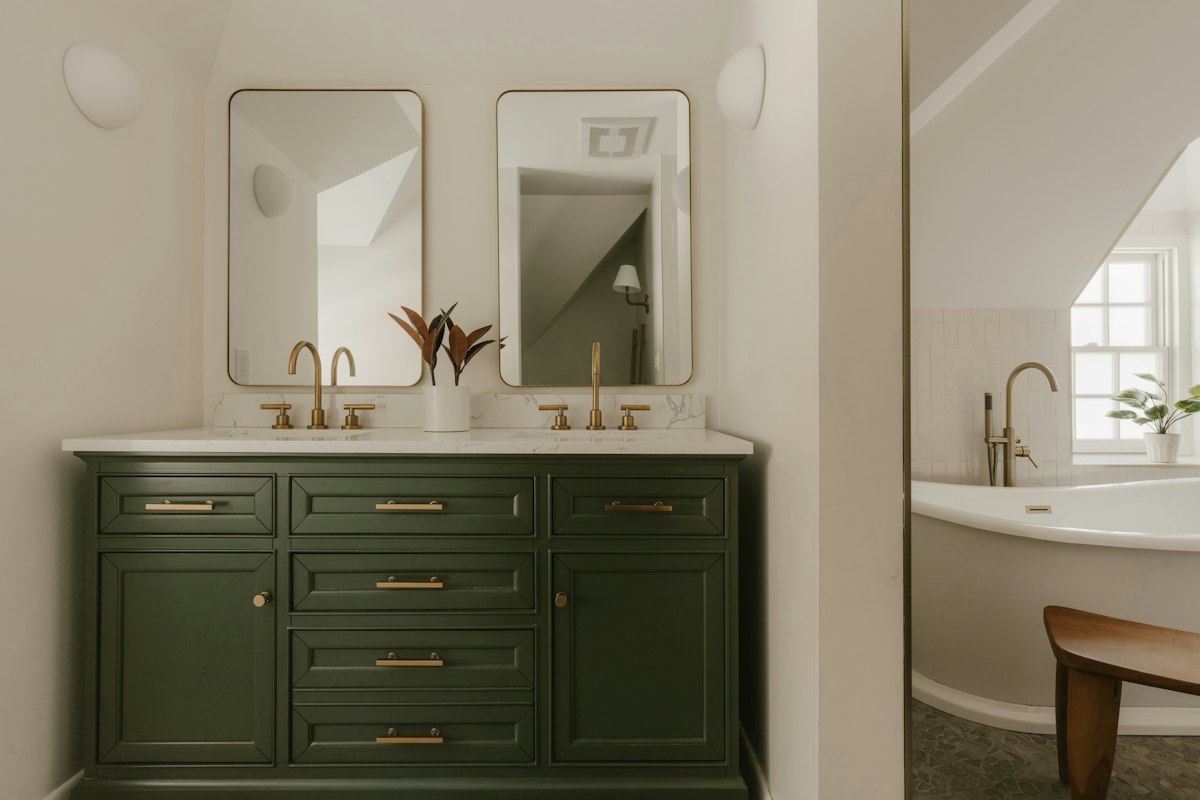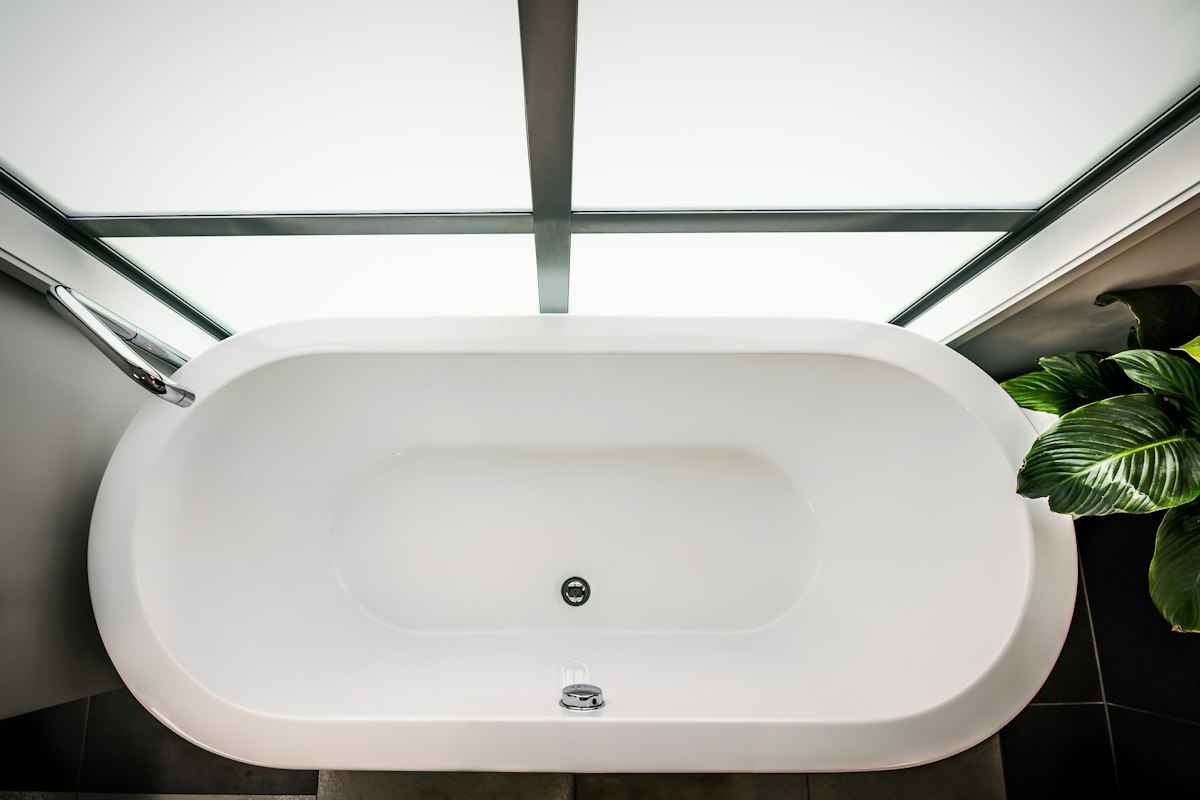
Operate taps, cabinet doors and shower controls with the installer present. Ask how the system should be used and maintained, including ventilation. Look at edges and joints under normal lighting and note any outstanding issues clearly.
Collect product references, care instructions and required installation documents. Confirm when surfaces and sealants can be exposed to water or cleaning. Respecting the specified waiting periods is part of bringing the new room into use properly.
Keep the contractor contact and agreed defect process accessible. Report leaks or unusual behaviour promptly rather than waiting for a cosmetic inspection. A good handover gives you both a finished room and the information needed to look after it.
Arrange the handover when the responsible installer can explain the completed room and respond to questions. Bring the agreed scope and note any variations made during the work. The purpose is to understand the installation as well as look for visible defects. A room can photograph beautifully while leaving controls unexplained or access panels obscured. Take the time to connect the finished fittings with the product information and responsibilities agreed earlier.
Use the fixtures in their ordinary ways with the installer present, without performing improvised tests beyond the appropriate handover process. Check that doors and drawers operate freely and that you understand how the shower, taps, lights and ventilation are controlled. Ask about any apparent concern rather than assuming it is normal. If a demonstration must wait because of a product restriction, record when it can take place and who will confirm readiness.
Look at the maintenance details that are easy to overlook during a first impression. Confirm how service access is reached, where removable components belong and which cleaning methods are approved. Ask the installer to identify features that should not be drilled, covered or altered casually. A short explanation now can prevent later damage from an accessory installation or an unsuitable cleaning product. Keep those instructions with the product manuals rather than relying on memory.
Separate urgent performance concerns from minor finish items so the follow up is clear. Describe each issue specifically, including its location and the condition in which it appears. Agree who will assess it and how the response will be recorded. Avoid accepting a vague promise that everything will settle without understanding the explanation. Clear notes help both parties distinguish ordinary product care from work that remains incomplete or needs further assessment.
Collect the relevant product references, installation records, warranties and contact details before treating the project as closed. Retain spare tiles or other agreed materials in a suitable place with identifying labels. Review the room again during normal use and report concerns promptly through the agreed route. A thorough handover gives the household a usable bathroom and the information needed to look after it, rather than leaving the finished appearance as the only evidence of what was installed.
A bathroom must be assessed as a complete installation. Confirm product suitability, waterproofing, ventilation and applicable local requirements with qualified installers before beginning work or purchasing fitted components.