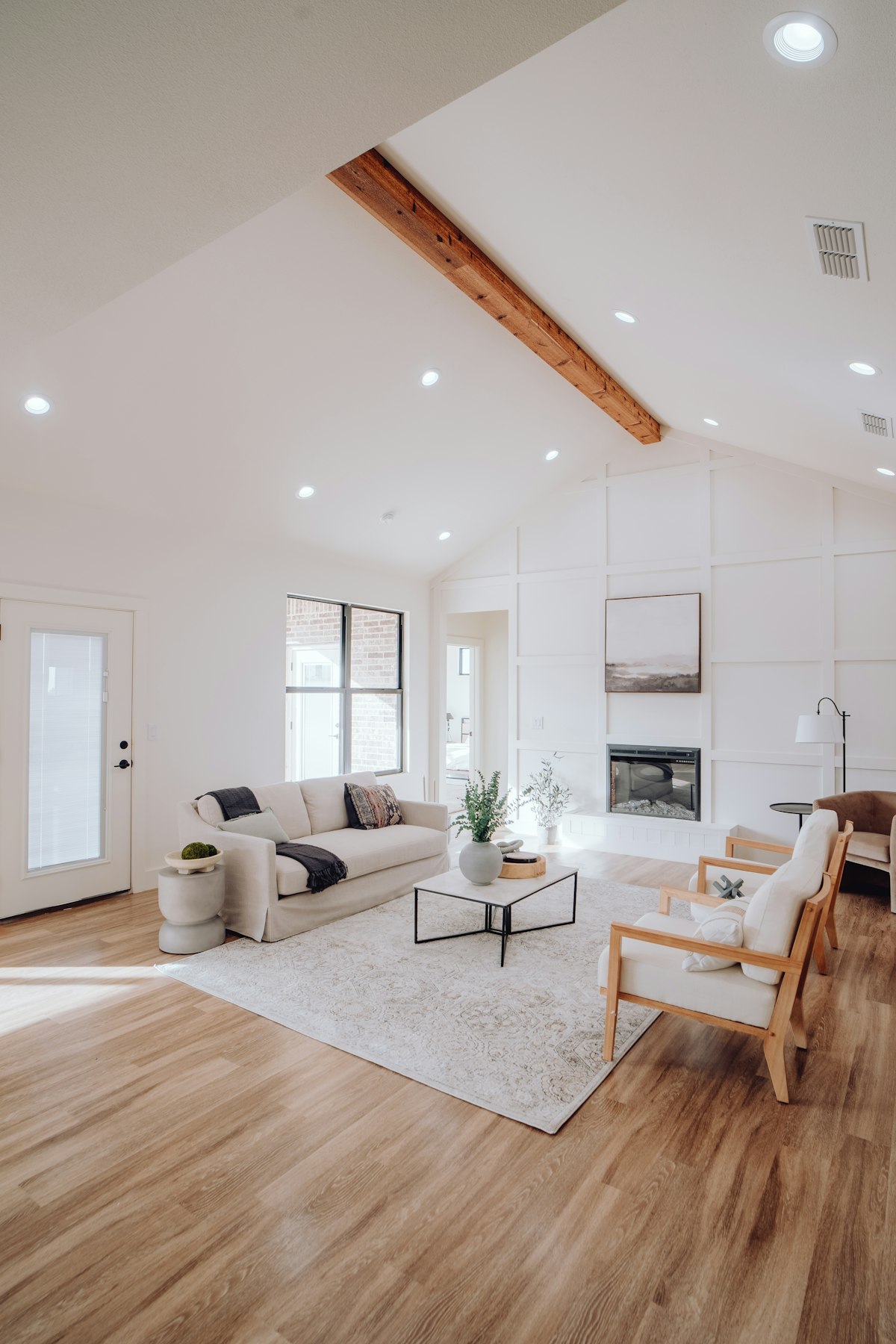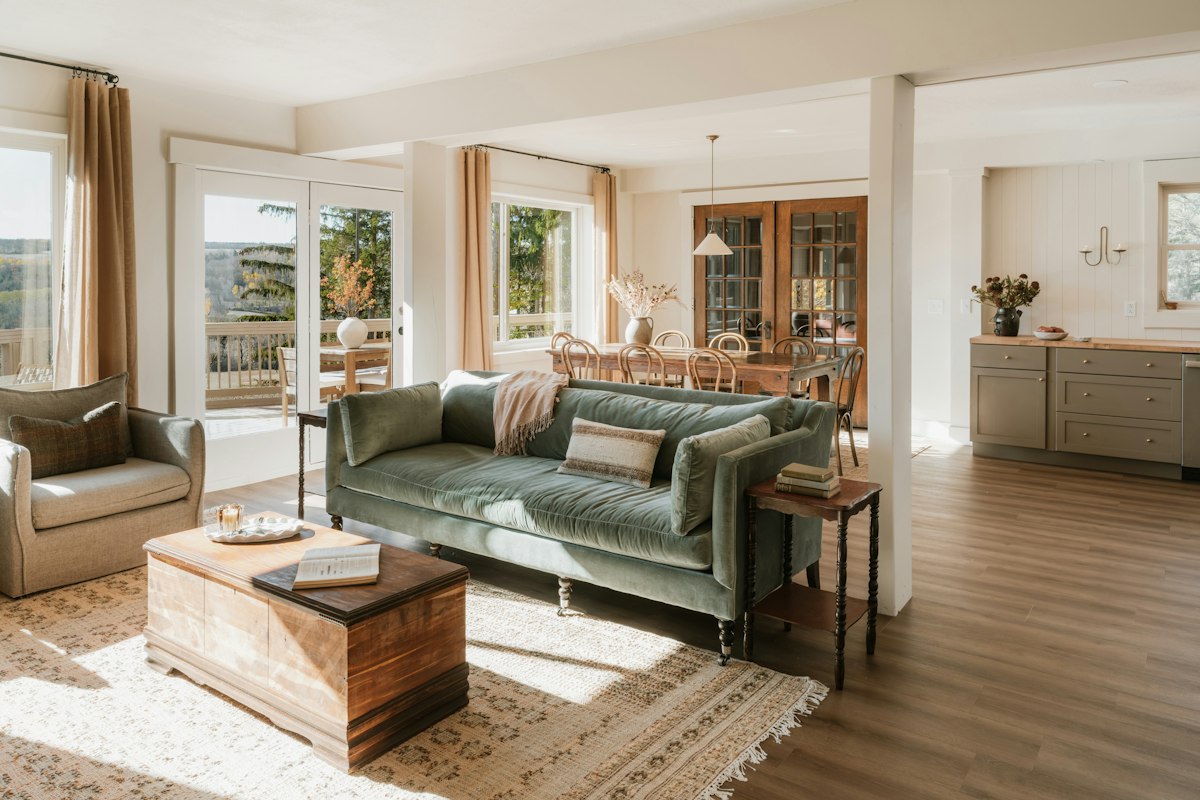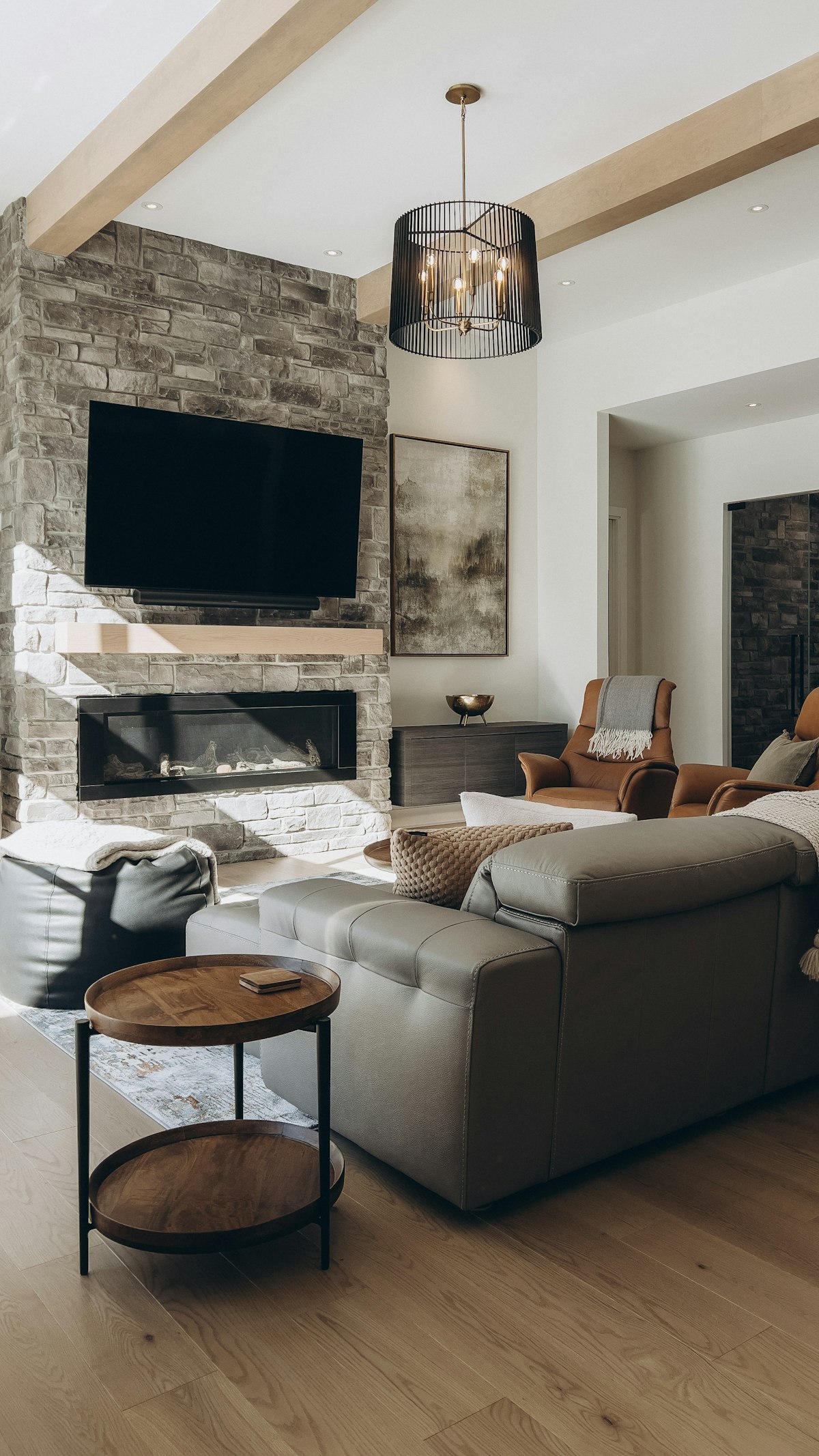
Measure the available floor area and mark the sofa footprint before ordering. Include arms, cushions and any reclining movement. A generous seat can be comfortable while its overall dimensions overwhelm the space needed for walking and other furniture.
Check seat depth and height in person where possible. Think about everyone who uses the sofa rather than choosing solely for its silhouette. Review upholstery care, removable cover options and the supplier warranty for the exact model.
Measure the delivery route, lift, stairs and turns as carefully as the final position. Confirm packaging and assembly details with the supplier. A sofa fits the home only when it can arrive safely and leave enough useful space around it.
Measure the sofa as a three dimensional object, including its height and any projecting arms or feet. The room footprint is only one part of the decision. A tall back or deep arm can make a piece feel more dominant than its width suggests. Compare the proposed model with a familiar chair or sofa in the room. This gives catalogue measurements a practical meaning and helps distinguish useful seat space from decorative bulk around the cushions.
Trace the entire delivery route with the supplier before confirming the order. Door openings, stair turns, landings and narrow corridors can be more restrictive than the final room entrance. Ask whether legs or other components are removable according to the product design and who will confirm access. Do not assume a delivery team can turn a large item through any opening. Resolve the route while another model or an appropriate modular design is still an option.
Try the seating position rather than judging comfort by cushion softness alone. Seat depth, support and arm height influence how different people sit, read or stand up. A deep model may suit lounging but be less comfortable for someone who wants a more upright position. If buying remotely, study the detailed measurements and return conditions carefully. The name of a style does not reliably describe the physical experience of using the particular sofa.
Look beyond the sofa outline to the surrounding furniture. A larger model may leave no useful place for a side table or make it difficult to approach the window. Mark the footprint and include the route people will take around it. Check any reclining or extending movement using the manufacturer dimensions. The purchase should improve the room as a whole instead of providing generous seating at the cost of every other ordinary activity in the space.
Review upholstery care, replacement options and construction information before finalizing the specification. A sofa is used and cleaned as an assembled product, so fabric choice should be considered alongside seams, covers and cushion maintenance. Keep the model and fabric references for later advice. A well chosen sofa fits the room, arrives through the building and supports the people using it. Those practical relationships matter as much as its appearance in a carefully arranged product photograph.
Measure your own room and check furniture, fixing and care instructions before buying. Have heavy wall mounted items and permanent electrical changes assessed by competent professionals where the installation requires it.