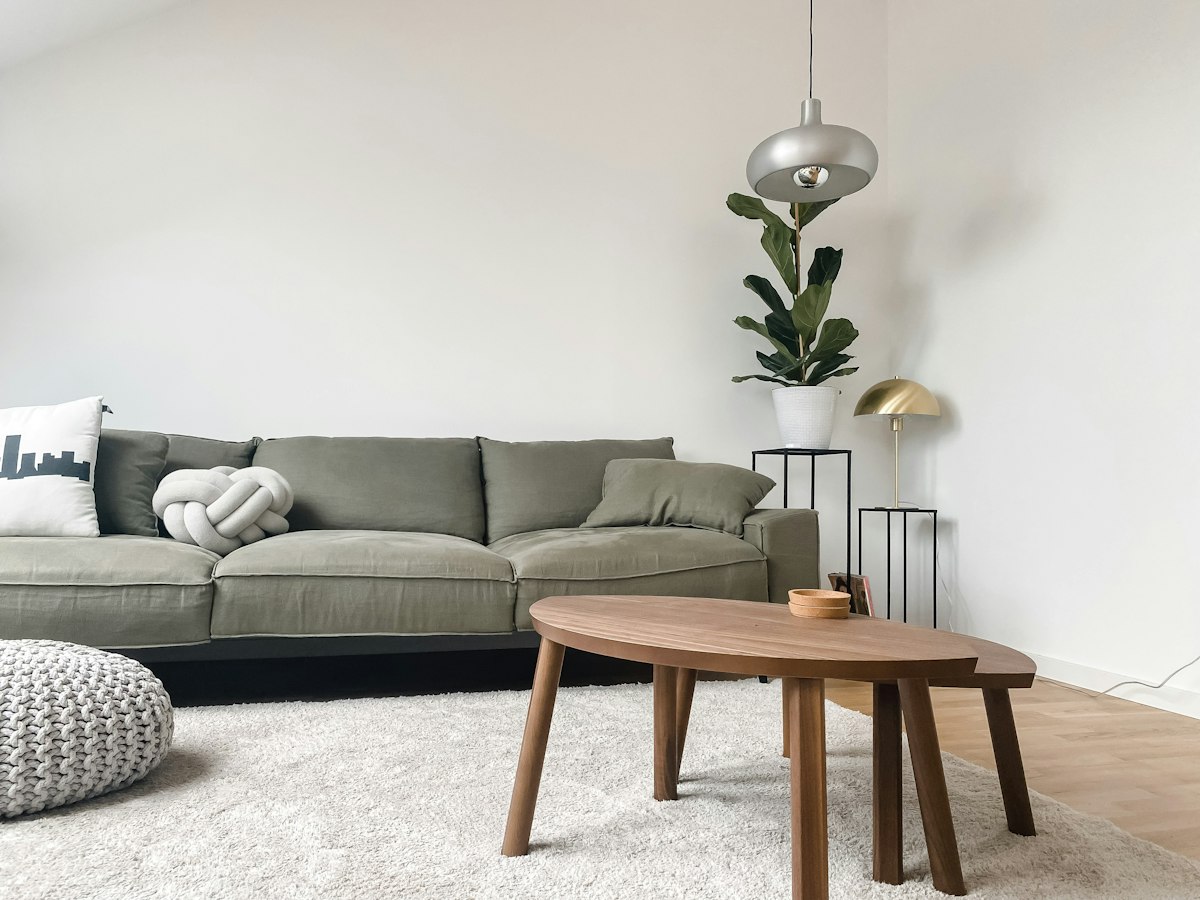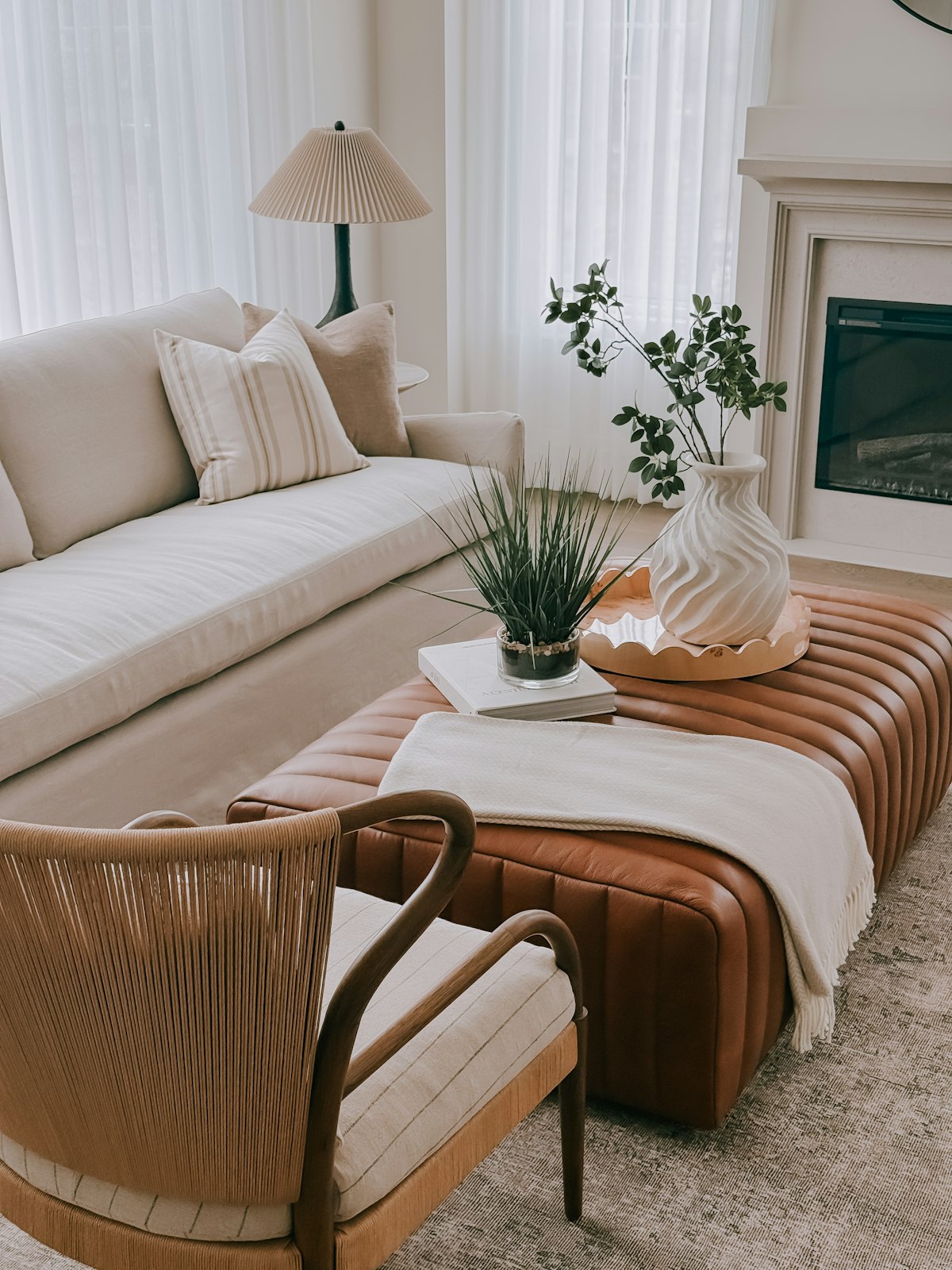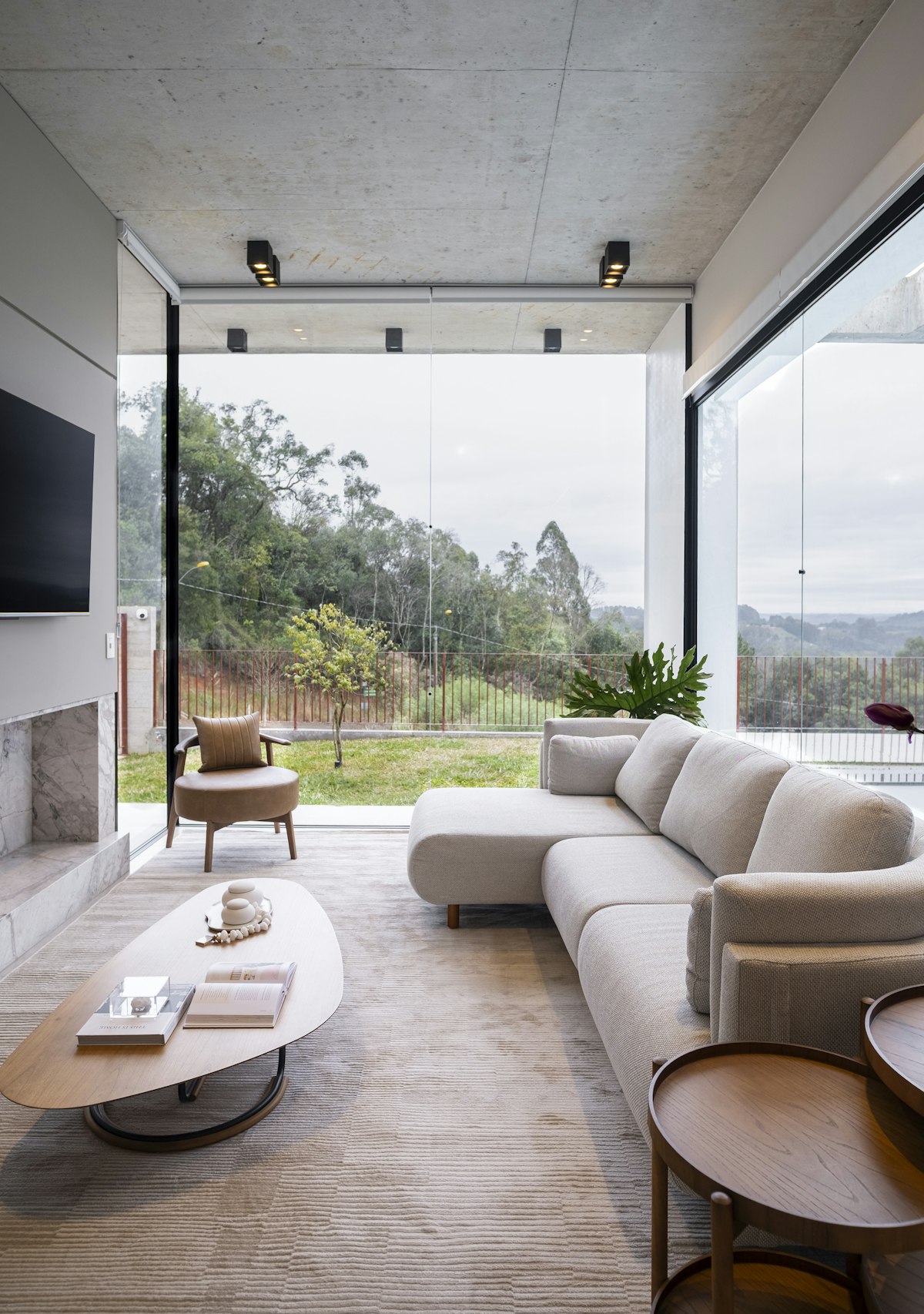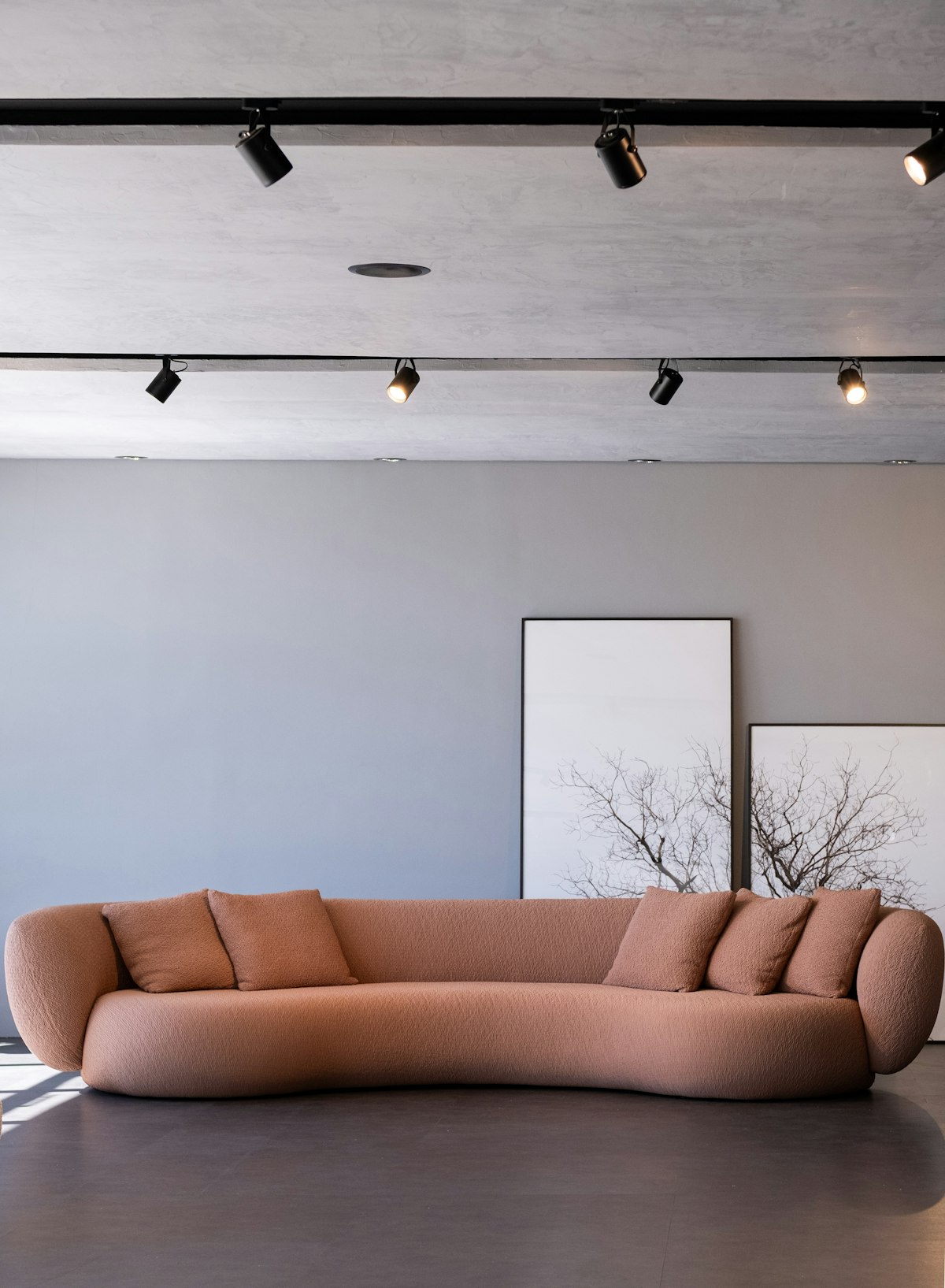
Begin with the largest fixed colour in the room, often the sofa, floor or curtain fabric. Test wall colours beside it rather than choosing paint independently. A neutral can still have an undertone that changes the way furniture appears.
Make broad samples on more than one wall and look at them through the day. Check the colour under the lamps you use at night. Digital images and tiny paint cards cannot reproduce the full effect of surrounding light and materials.
Choose a finish appropriate for the wall condition and expected cleaning. Prepare surfaces as the product guidance requires. A thoughtful paint choice can connect existing pieces and reduce the need to replace furniture that already works well.
Choose a reference item that is both visually important and likely to stay. It might be the floor, a substantial sofa or curtains that already work well. Compare potential paint colours directly beside that item, not in a separate bright part of the house. A wall occupies a large area and changes how neighbouring colours appear. Starting with a real retained surface helps the new paint connect the room rather than creating pressure to replace everything else afterward.
Try a manageable range of directions instead of collecting many nearly identical paint cards. A warmer neutral, a muted colour drawn from a textile and a quieter version of an existing wall can clarify what the room needs. Make broad samples on suitable boards or prepared areas following product guidance. Place them where the wall receives both light and shadow. A small isolated swatch can conceal the undertone that becomes obvious across a whole room.
Observe the samples under the lamps used during normal evenings. A colour that feels balanced in daylight may look dull or unexpectedly warm at night. The floor and large furniture can reflect colour onto the lower wall too. Keep the main room conditions in place during the comparison rather than judging an empty space with unusual temporary lighting. You are choosing the background for ordinary life, including the times when daylight is no longer available.
Consider the intended relationship between walls and objects. A close colour relationship can make furniture blend into a quieter overall view, while a deliberate contrast can give a particular piece more presence. Neither approach requires every accessory to match. Use the sample to judge whether the sofa or cabinet becomes more comfortable to look at. A successful paint choice often makes retained furniture feel more intentional without adding several new decorative objects.
Confirm the finish and preparation needs once the colour is chosen. Wall condition, expected cleaning and the manufacturer's application guidance should influence the specification. A fashionable sheen cannot compensate for unsuitable preparation or an unresolved surface problem. Keep the product and colour reference for maintenance. After decorating, reassess the room before buying more furnishings. The changed background may already solve much of the visual disconnection that first seemed to require a larger replacement project.
Measure your own room and check furniture, fixing and care instructions before buying. Have heavy wall mounted items and permanent electrical changes assessed by competent professionals where the installation requires it.