Choose a place where chairs can be used without blocking the main passage. Measure the occupied footprint of the table, not just its top. A small round table may help in some rooms, while a slim rectangular one can sit more naturally beside a wall.
Think about lighting and where everyday dishes will be stored. A dedicated light can define the nook without a physical divider. Have any new fixed electrical work completed by a qualified professional and coordinate the fitting with the final table position.
Use related colours or timber tones to connect the nook with the seating area. Avoid crowding the boundary with extra storage. A modest eating place becomes valuable when it remains easy to approach and comfortable during an ordinary meal.
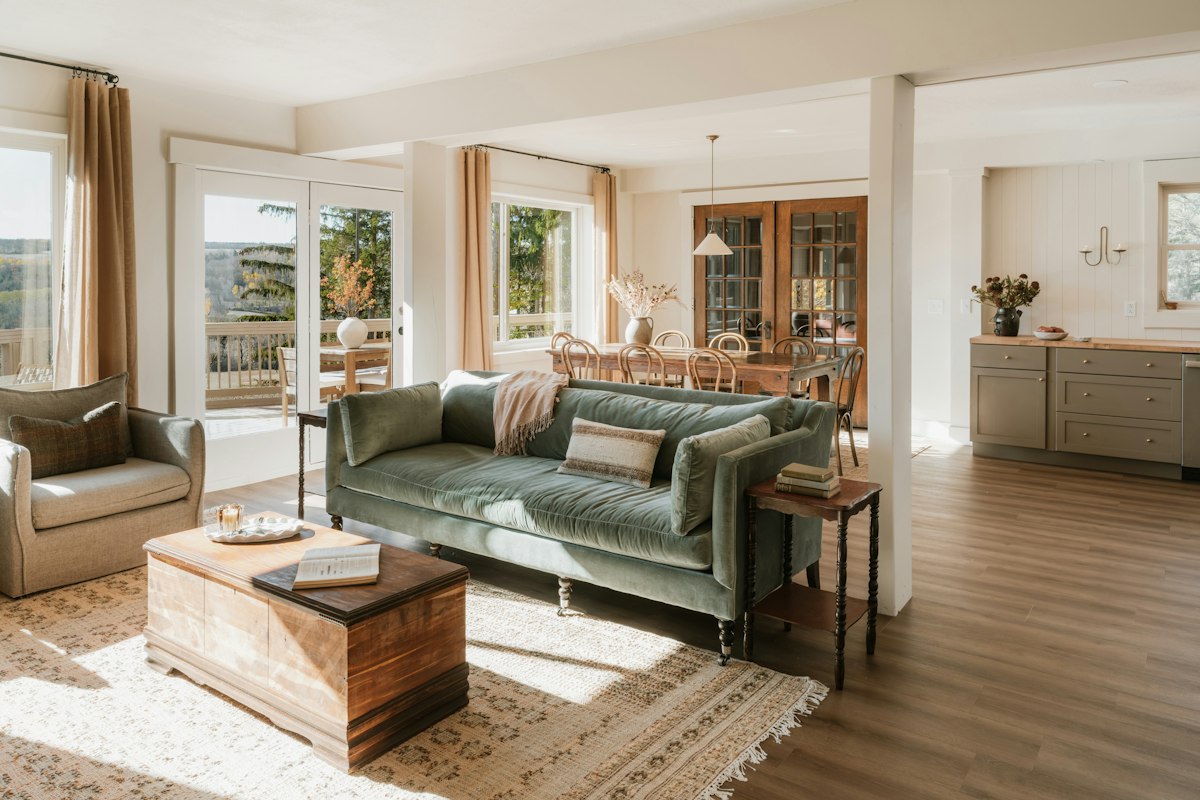
Choose the table location by drawing the occupied seating area. A compact top can require much more space once chairs are pulled out and people sit down. Check the route to the sofa, kitchen and any nearby doorway under those conditions. A nook that fits only when unused has not become a useful dining place. Compare different table shapes in the actual room outline before assuming that a round or rectangular model is always the better small space solution.
Consider how many people eat there most often. An occasional guest may be accommodated with a simple adjustment, but a permanently oversized table can make every ordinary meal less comfortable to reach. Look at the chair shape and base arrangement as well as the top. Some tables provide more flexible seating positions than others despite similar outside measurements. Choose the combination that supports the household routine rather than the largest number that could theoretically gather around it.
Give everyday dining items a sensible home without surrounding the nook with storage. A nearby drawer or cupboard may be enough for the things used repeatedly. Adding a bulky sideboard to complete the image of a dining room can undermine the very circulation the nook needs. Keep the task modest and use existing storage where it works. The area should feel like a comfortable extension of the living space rather than a second room compressed into one corner.
Plan lighting in relation to the final table position. A dedicated fitting can help define the area, but its installation and clearances need appropriate assessment. Have fixed electrical work carried out by a qualified professional. Consider the view of the fitting from the sofa as well as from the table. It should support the eating area without producing glare in another part of the room or relying on an arrangement that changes every time chairs are moved.
Connect the nook through a material or colour already present in the seating area. This gives the activities a shared visual language while allowing each to have suitable furniture. Keep the boundary clear of extra objects that make the room feel divided by clutter. Try the arrangement for ordinary meals before adding decorative accessories. A useful dining nook succeeds when approaching, sitting, serving and leaving are all straightforward within the larger living room layout.
Measure your own room and check furniture, fixing and care instructions before buying. Have heavy wall mounted items and permanent electrical changes assessed by competent professionals where the installation requires it.