Check whether a stiff door is caused by its hardware, alignment or surrounding frame before making adjustments. Seasonal movement and worn components can look similar to a loose hinge. Ask a competent joiner to assess persistent sticking or a required performance door.
Follow the hardware manufacturer guidance for adjustment and lubrication. Tighten or replace components only with the correct fixing and method. Avoid altering fire rated or specialist assemblies without appropriate professional advice because their performance depends on the complete setup.
Keep product references and inspect frequently used fittings periodically. A small issue addressed correctly can prevent further wear. The objective is smooth, reliable operation rather than masking the symptom with an unapproved lubricant or an improvised screw.
Observe the door through its full movement before deciding what needs attention. Note whether it catches at one point, drops when opened or resists near the latch. Check for obvious contact with the frame or floor without forcing it. A clear description of the behaviour helps a competent joiner distinguish a hardware concern from a broader alignment issue.
Identify the door and hardware type before making adjustments. Specialist assemblies and doors with required performance can depend on particular hinges, closers, seals and fixing arrangements. Keep the manufacturer information and seek qualified advice where that role is uncertain. A familiar looking hinge does not prove that the complete installation can be altered casually.
Look for an underlying reason when a fitting repeatedly loosens. The fixing, supporting material or alignment may need assessment rather than repeated tightening. Do not replace a screw with an improvised larger one without understanding the assembly. A short term change can obscure the problem or affect how the component was intended to be supported.
Use the manufacturer guidance for adjustment, cleaning and lubrication of the exact hardware. Some mechanisms have specific restrictions or require compatible products. Avoid applying a general spray to every moving part simply because another handle once improved with it. Keep the surrounding coating protected from anything that could stain or alter its finish.
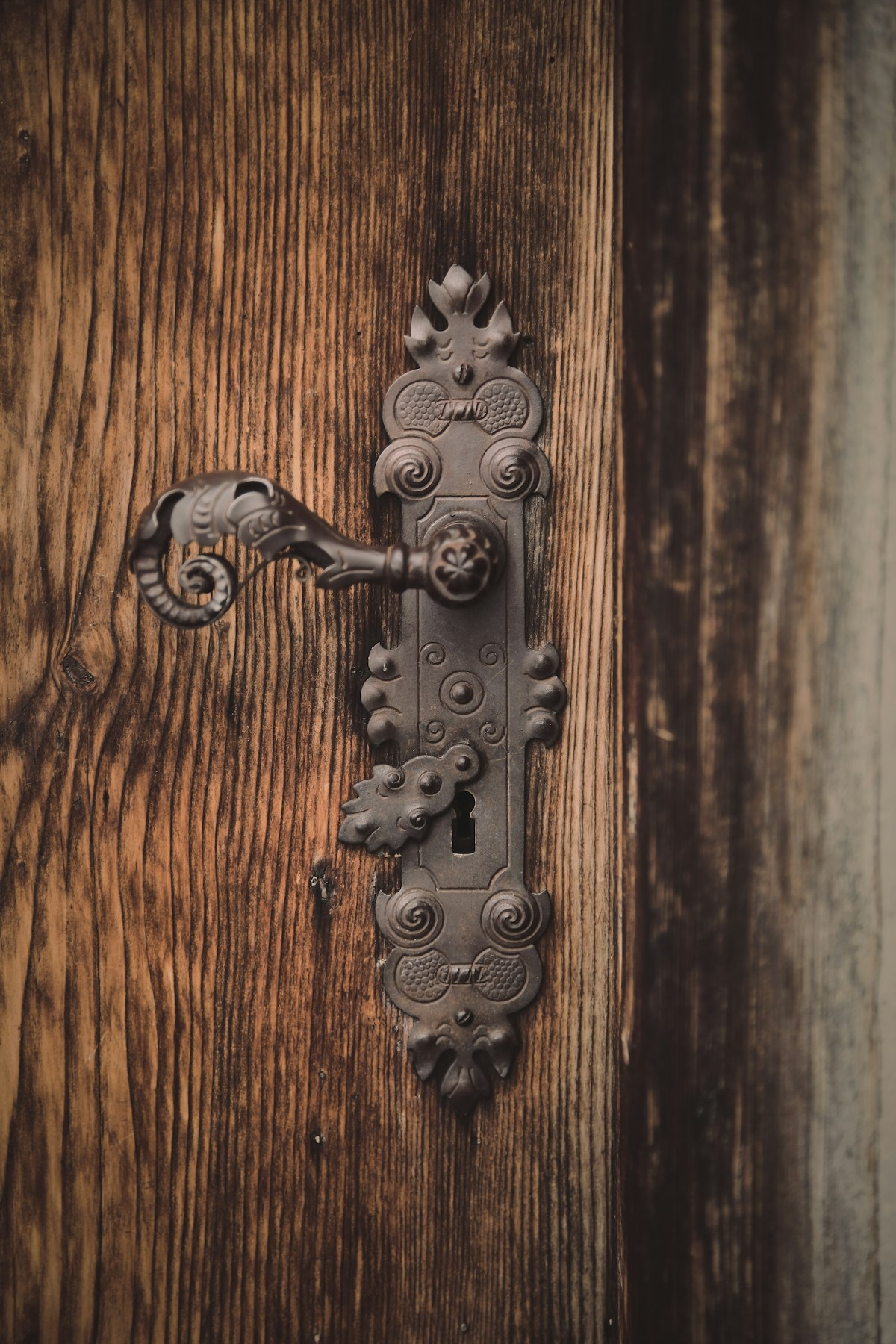
Check the handle and latch as a connected action rather than testing each in isolation. A handle can move smoothly while the latch fails to meet the frame properly. Ask a competent professional to assess persistent resistance or unreliable closing. Do not force the mechanism or alter a required door edge merely to make the symptom disappear.
Include normal user comfort in the maintenance review. Loose grips, sharp damaged edges or awkward operation can make an otherwise attractive handle inconvenient. Ask whether replacement parts are available for the existing model. A repair using the correct component may preserve a useful fitting without replacing an entire set solely for a small mechanical problem.
Record the product references and completed work, especially where a door has a specialist function. Recheck the operation after an appropriate repair and report continuing problems promptly. Regular observation is useful, but it should support correct maintenance rather than encourage repeated unverified adjustments whenever the weather or household use changes.
Always use the guidance for the exact product and finish in your home. Seek a qualified assessment before disturbing uncertain old materials, and do not treat general care advice as a substitute for diagnosing damage.