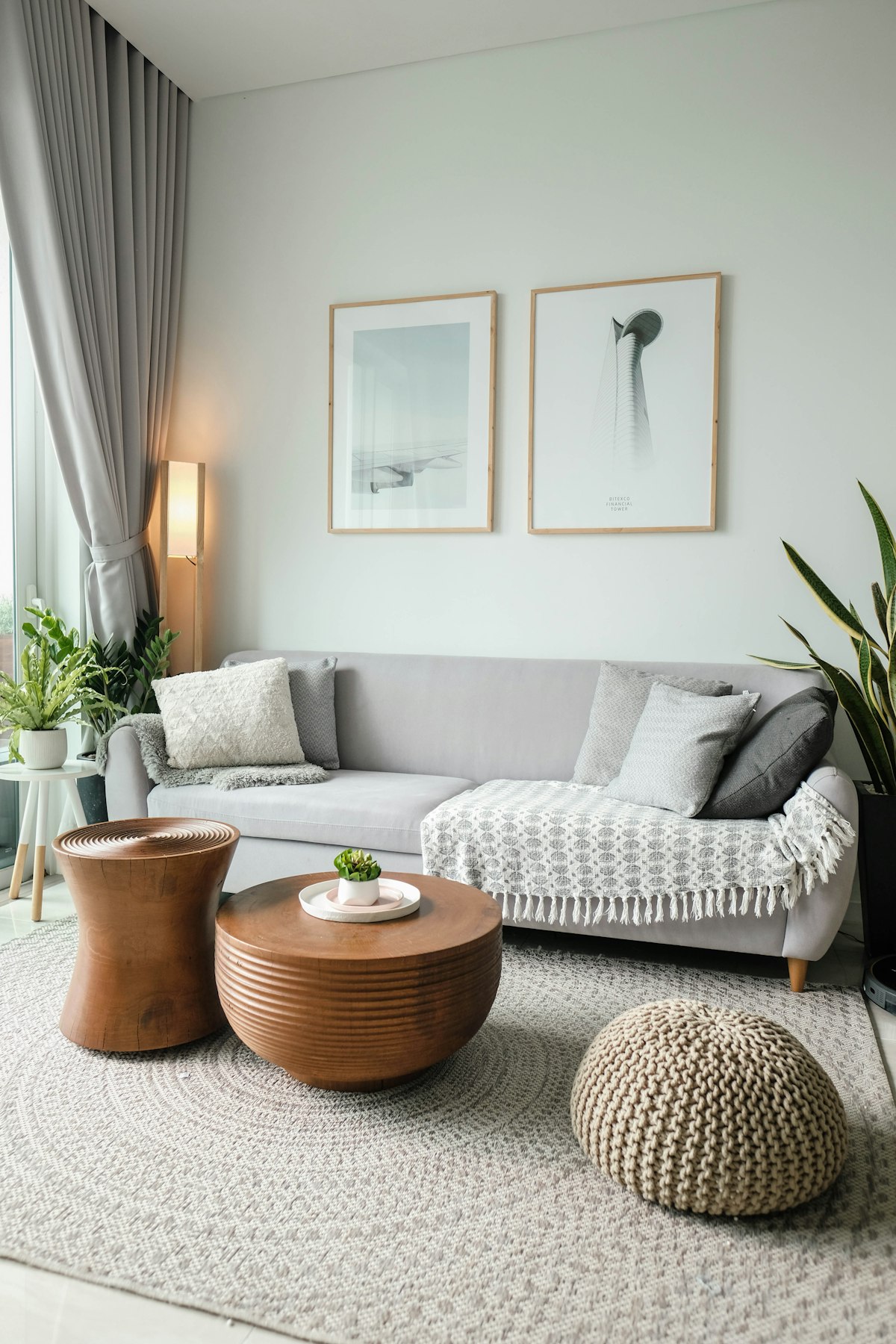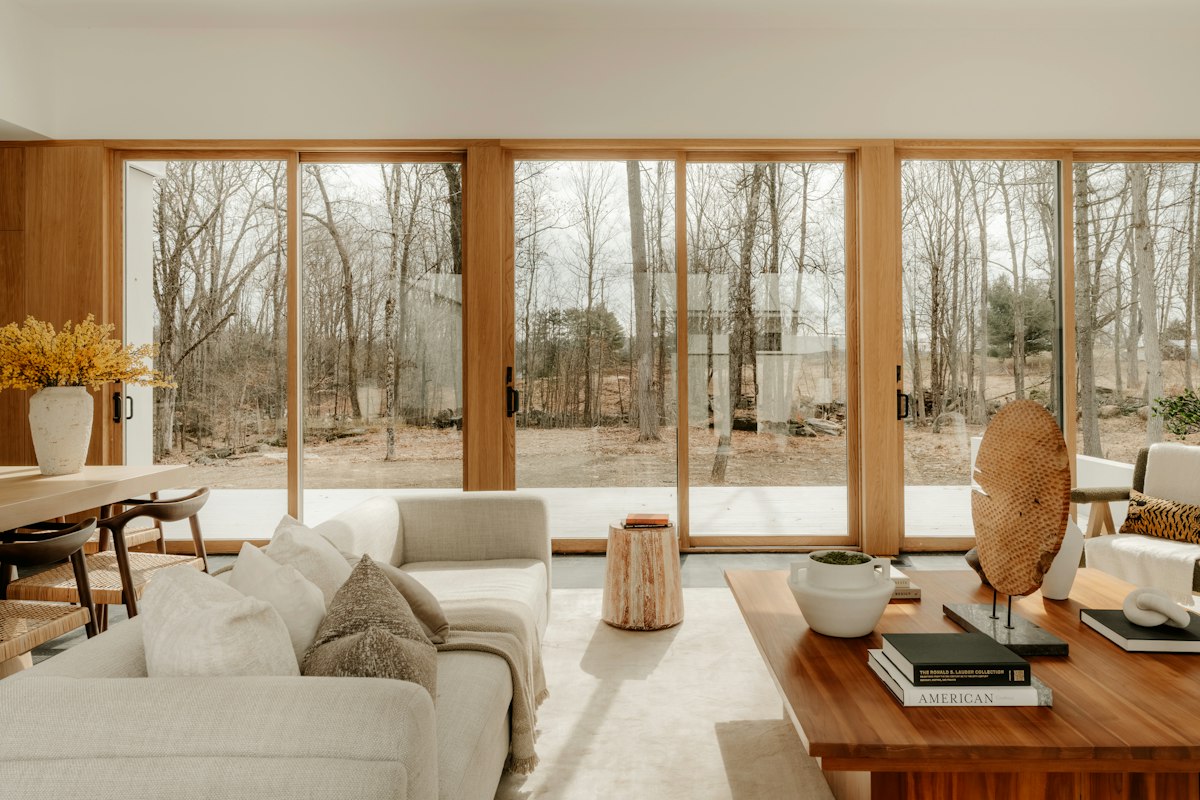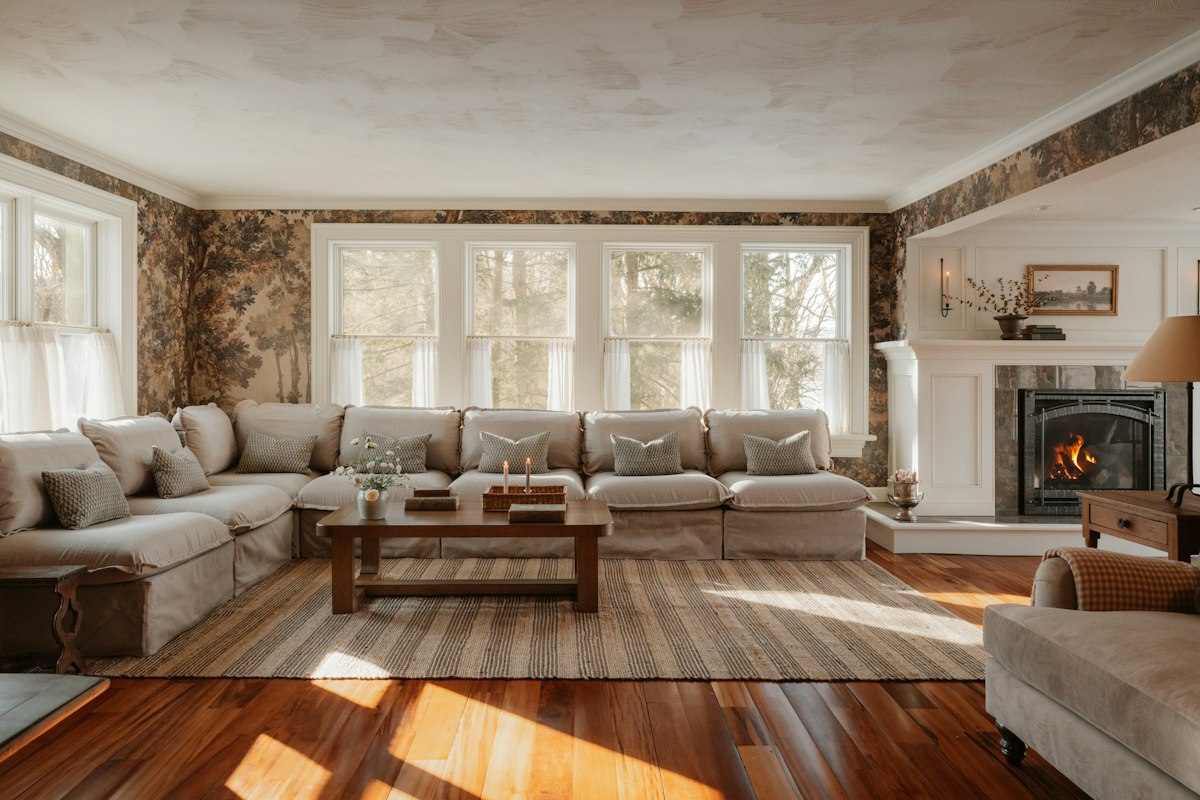
Notice where the room sounds harsh during conversation before adding decorative panels. Hard floors, bare glass and large empty walls can contribute to reflected sound. Rugs, curtains and upholstered furniture may soften the experience while also serving ordinary room functions.
Add one useful soft element at a time and listen again. Keep ventilation and safety clearances unobstructed. If the problem is sound transfer from another room or outdoors, decorative soft furnishings may have limited effect because the cause is different.
For persistent or specific acoustic needs, consult an appropriate specialist. Avoid treating a product claim as a guarantee for every building. A balanced room can feel more comfortable without covering every surface in material that is difficult to maintain.
Listen to the room during the activity that feels uncomfortable. Conversation, a television and a busy family gathering can reveal different concerns. Notice whether the problem is sound lingering inside the room or noise arriving from elsewhere. Those situations should not be treated as interchangeable. Soft furnishings may help the experience of reflected sound within a hard room, but they should not be presented as a guaranteed solution to sound transmission through the building.
Look first for useful soft elements the room is missing. A suitable rug can support the seating group while introducing a softer surface, and curtains can serve privacy and daylight needs as well. Upholstered furniture may already provide some of this function. Choose elements that improve ordinary use rather than covering walls with decorative products before the issue is understood. A practical room can gain comfort without becoming a collection of unrelated acoustic claims.
Change one relevant element at a time and compare the experience under similar conditions. If several things change simultaneously, it becomes difficult to tell which helped. Keep expectations proportionate and notice whether conversation feels easier rather than trying to establish a technical performance figure without suitable measurement. Ordinary listening can guide small furnishing choices. More specific requirements deserve advice and assessment appropriate to the building and the actual acoustic problem.
Consider cleaning, daylight and ventilation alongside any proposed treatment. A large amount of fabric can introduce maintenance work, and furniture should not block equipment or required access. A product intended for one location may not be appropriate near heat or in a frequently touched area. Ask for product suitability information where needed. The goal is a more comfortable living room whose other functions remain sensible, not a room that solves one concern by creating several new ones.
If the difficulty persists or relates to privacy, neighbours or specialist listening needs, consult a suitable professional before committing to major work. Explain when the problem happens and what changes have already been tried. Avoid assuming that the most visually prominent wall must be the cause. A considered response distinguishes modest improvements in room comfort from a technical alteration to the building, allowing the next decision to be based on the right kind of evidence.
Measure your own room and check furniture, fixing and care instructions before buying. Have heavy wall mounted items and permanent electrical changes assessed by competent professionals where the installation requires it.