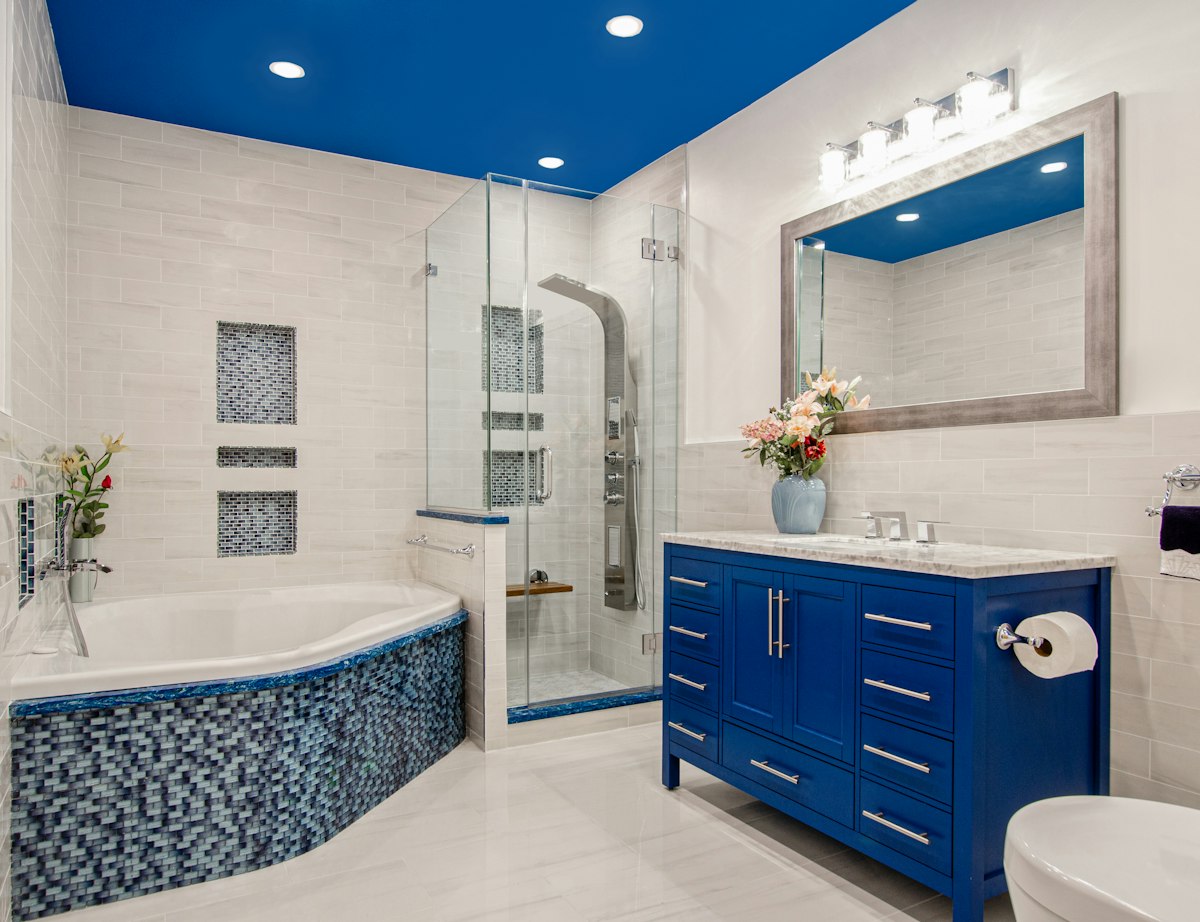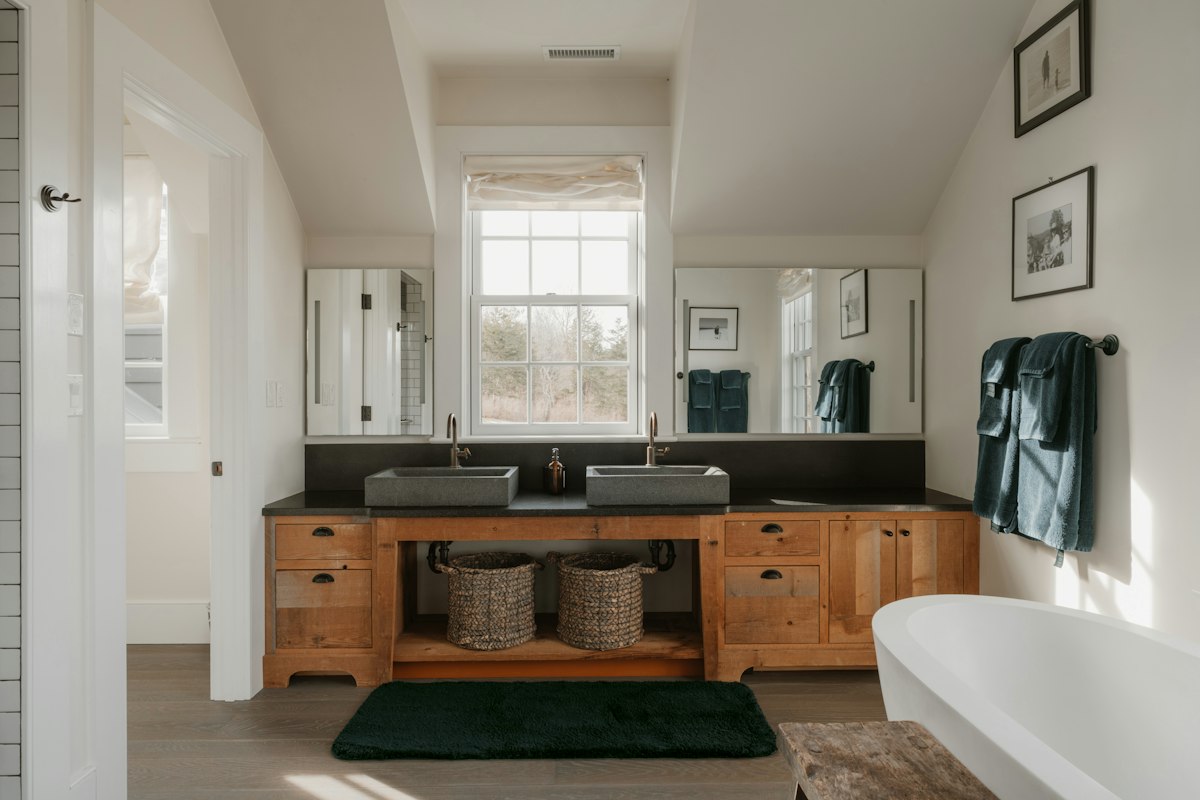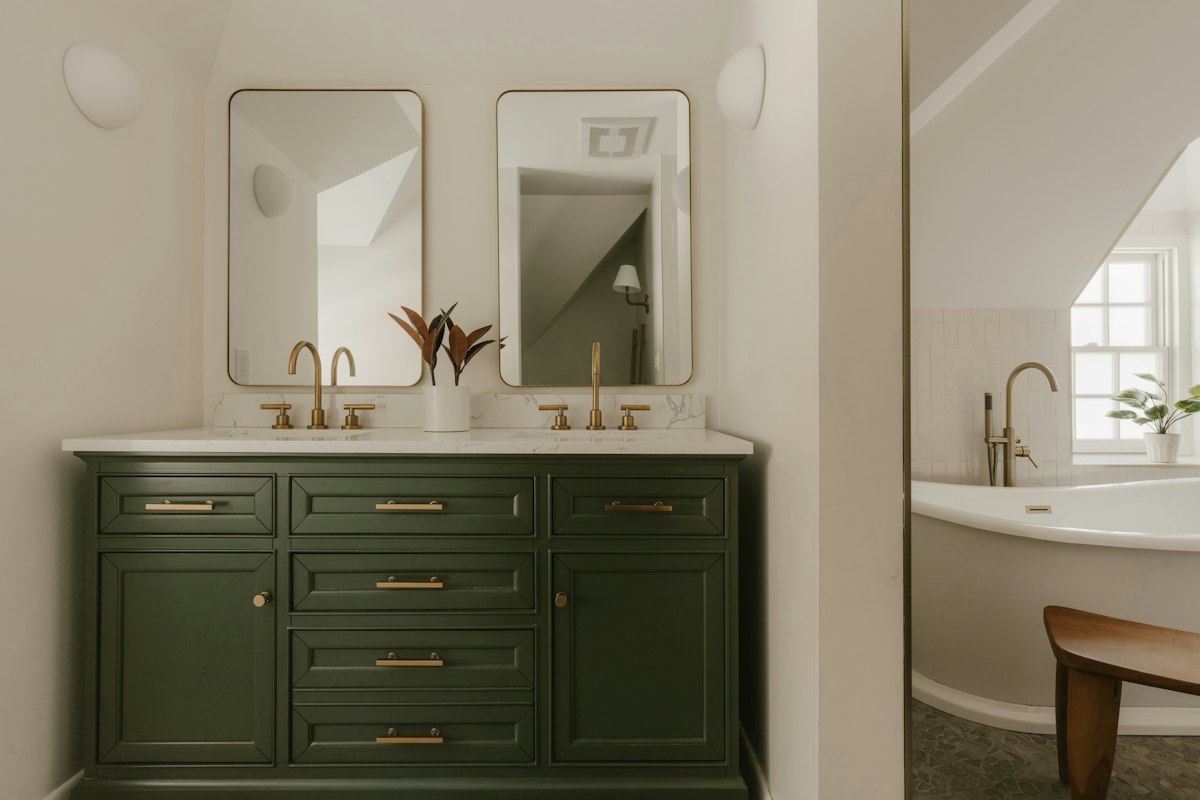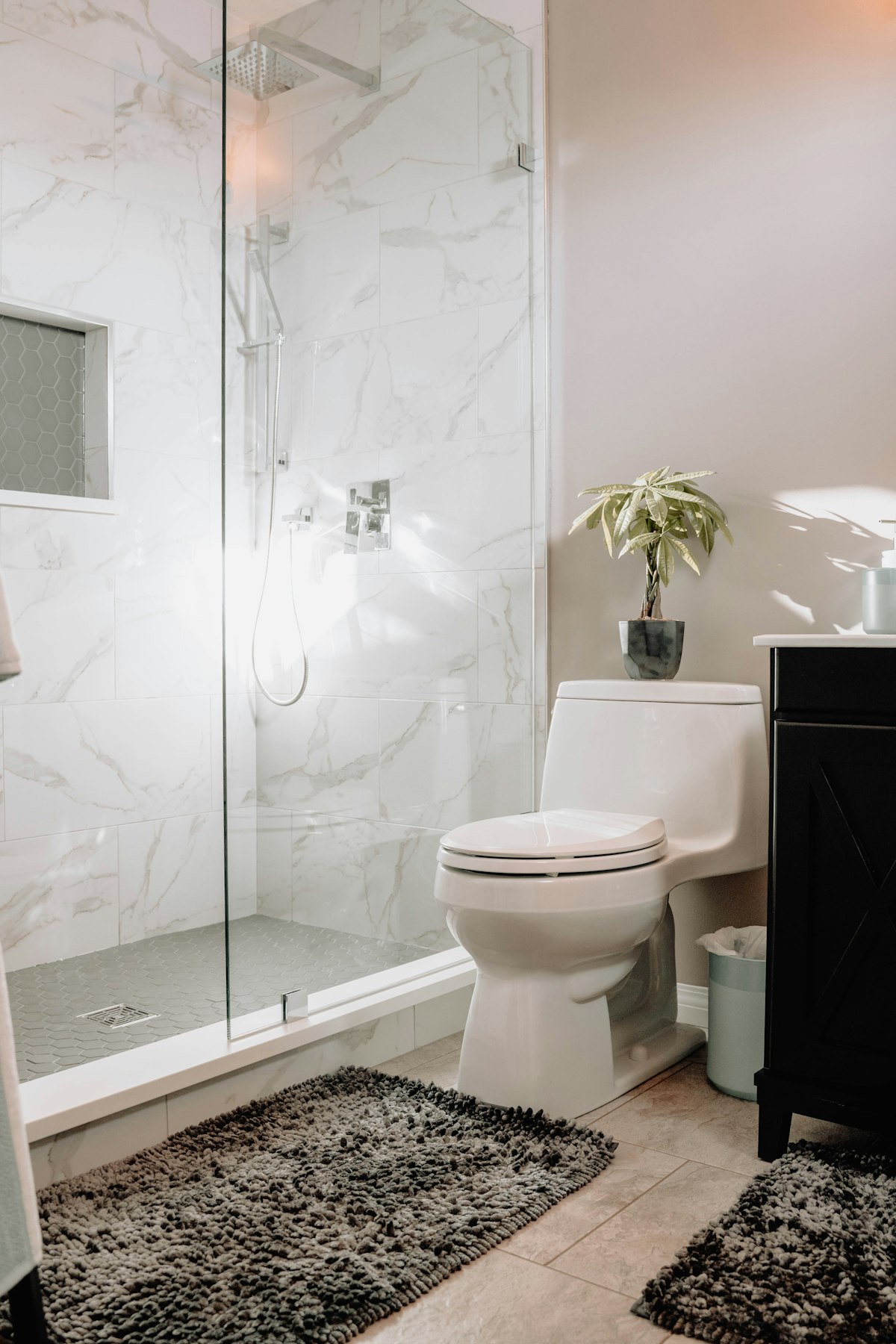
Begin by checking the condition of plumbing, sealant and ventilation. A cosmetic refresh is useful when the underlying room performs well. Painting over damage or adding a new accessory will not resolve a leak or persistent moisture problem.
Choose a small group of visible improvements such as a mirror, suitable lighting or storage. Work with the existing tile colour instead of trying to hide every surface. Verify product suitability for humidity and splashing before bringing ordinary furniture into the bathroom.
Have any service changes completed by competent professionals. Keep the scope honest about what remains old and what has been improved. A careful refresh can make the room more comfortable while preserving resources for a later comprehensive renovation.
Separate the cosmetic concerns from the performance concerns before buying anything. A dated mirror, tired paint or awkward shelf may be suitable for a modest refresh. Recurring dampness, loose fittings or unexplained water marks call for assessment first. Write down what feels inconvenient and what appears damaged so the scope remains clear. Money spent on decoration has more lasting value when it improves a room whose underlying condition is understood.
Choose a visual direction from the finishes that will remain. Existing tile, the basin and the bath already provide a large part of the palette. Compare paint and accessory samples beside those elements instead of building a scheme from an unrelated photograph. A new mirror shape or a quieter wall colour may make the retained finishes feel deliberate. Trying to introduce several competing materials can make an otherwise simple refresh feel unsettled.
Give each proposed purchase a practical purpose. A new cabinet might replace cluttered open shelves, while improved mirror lighting could make morning grooming easier. Measure the current weakness and check whether the replacement actually addresses it. Buying several decorative containers can be less useful than removing products that do not need to be in the room. Keep the scope focused on the few changes that noticeably improve everyday use.
Review installation consequences before describing an item as a simple swap. A new tap, light or wall accessory may have compatibility, fixing or service requirements beyond its visible size. Let competent professionals assess work that affects plumbing, electricity or the wet area construction. A modest project still benefits from proper product selection. Preserve records of the retained equipment so new parts are chosen against accurate information rather than guesses.
Finish with a care and maintenance review. Refreshing the appearance is a good time to confirm that ventilation can be operated properly, plumbing access remains available and finishes are cleaned as intended. Keep a clear account of what was replaced and what remains part of the older bathroom. This supports later decisions if a larger refurbishment becomes necessary. A successful refresh makes the room more useful without hiding problems or promising a complete renewal.
A bathroom must be assessed as a complete installation. Confirm product suitability, waterproofing, ventilation and applicable local requirements with qualified installers before beginning work or purchasing fitted components.