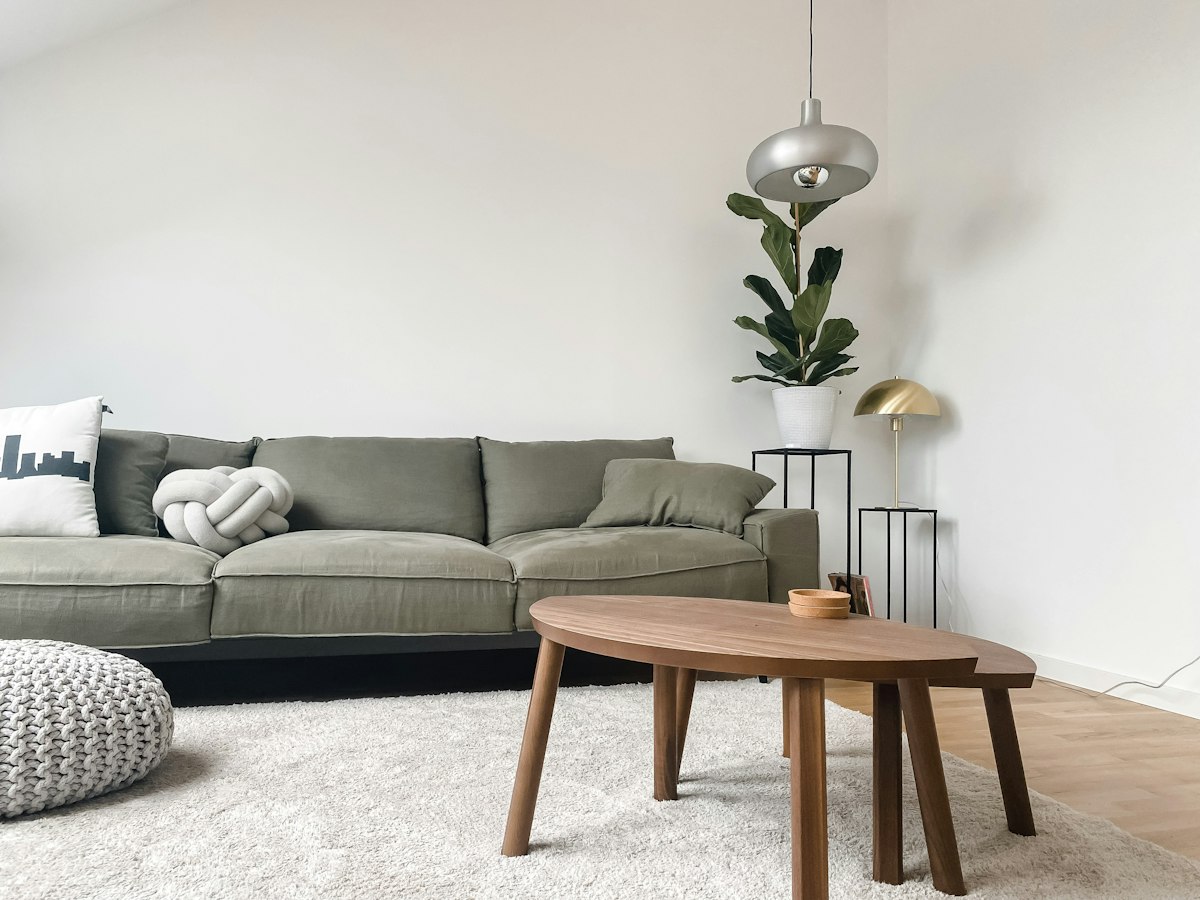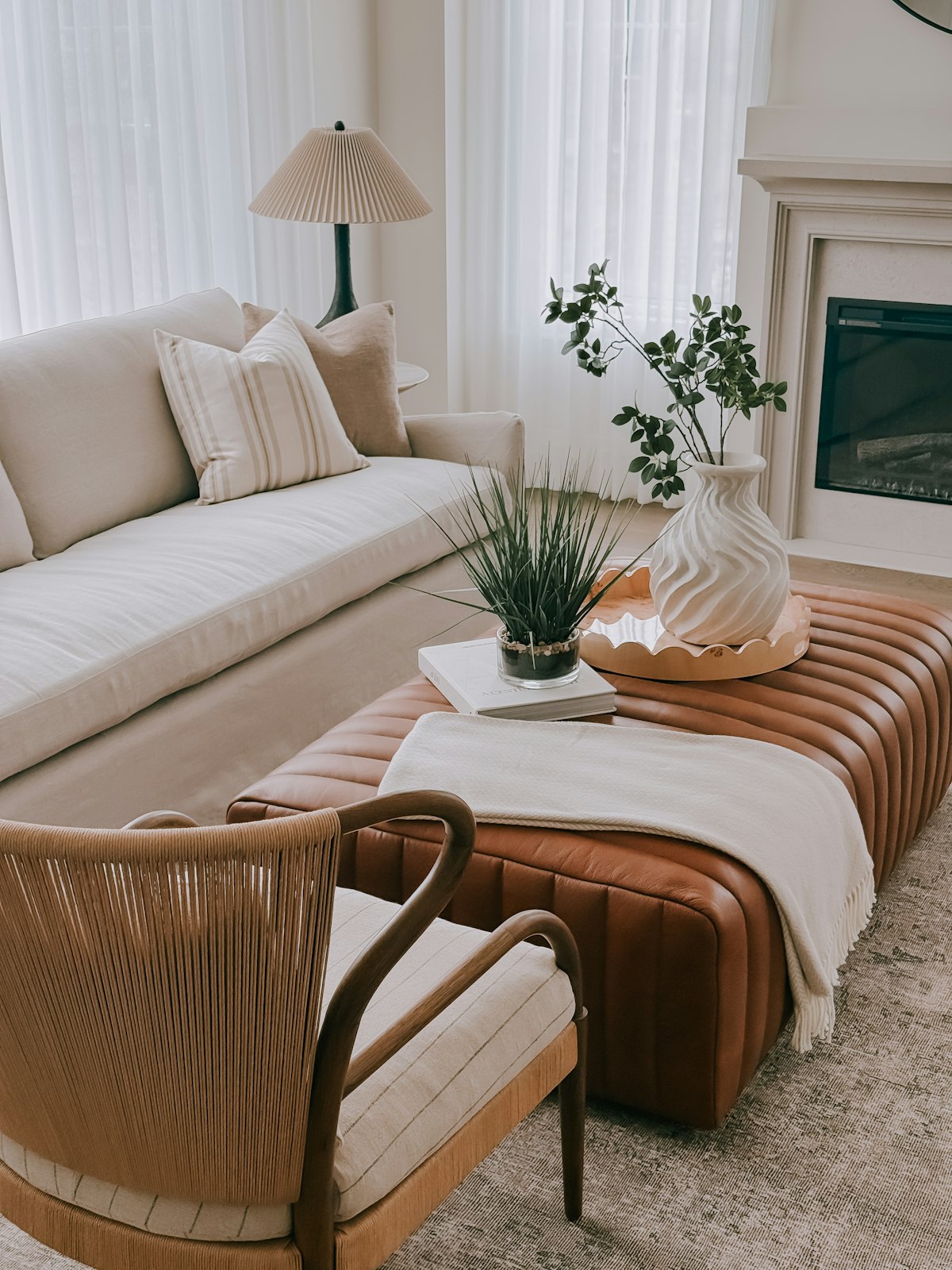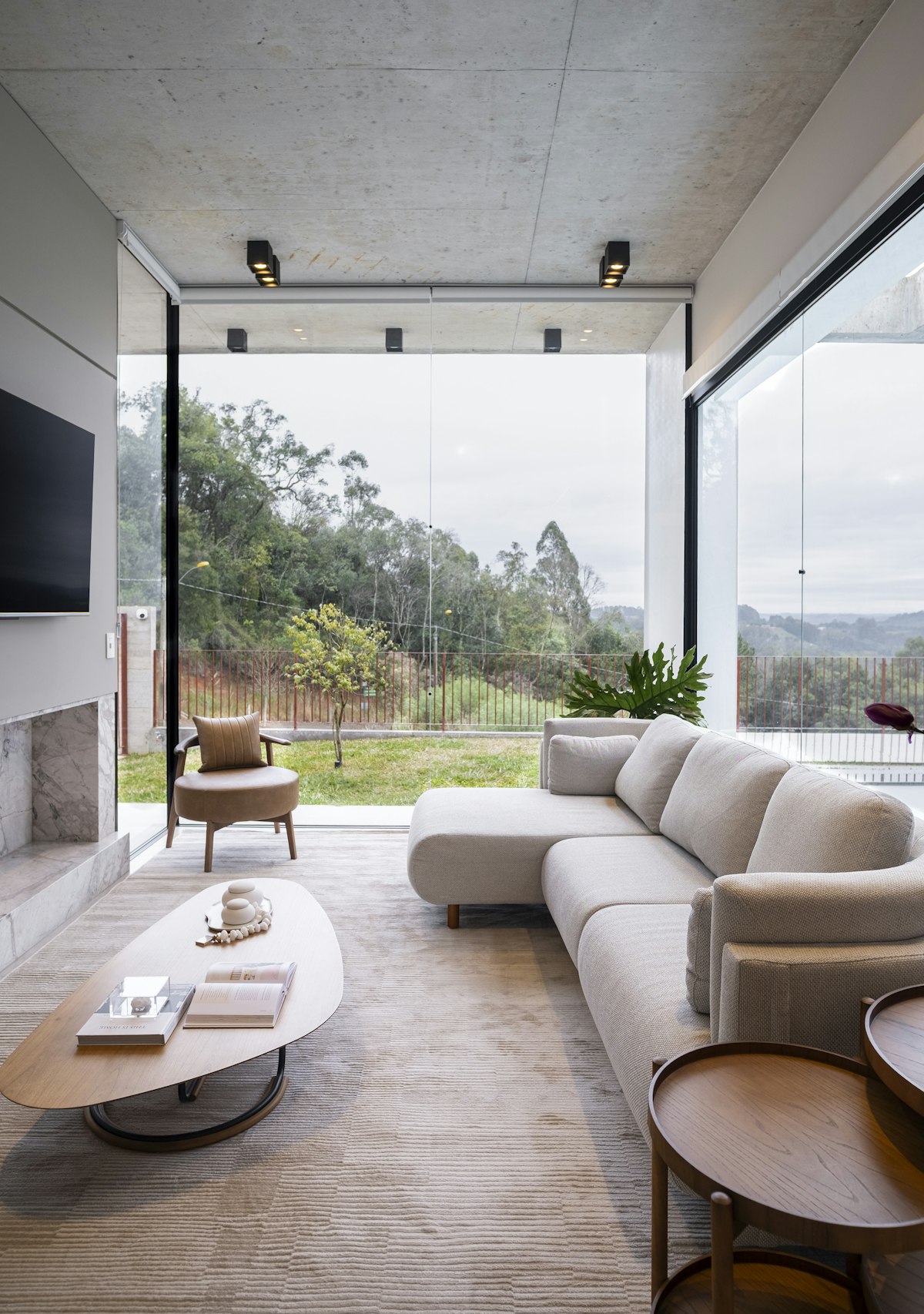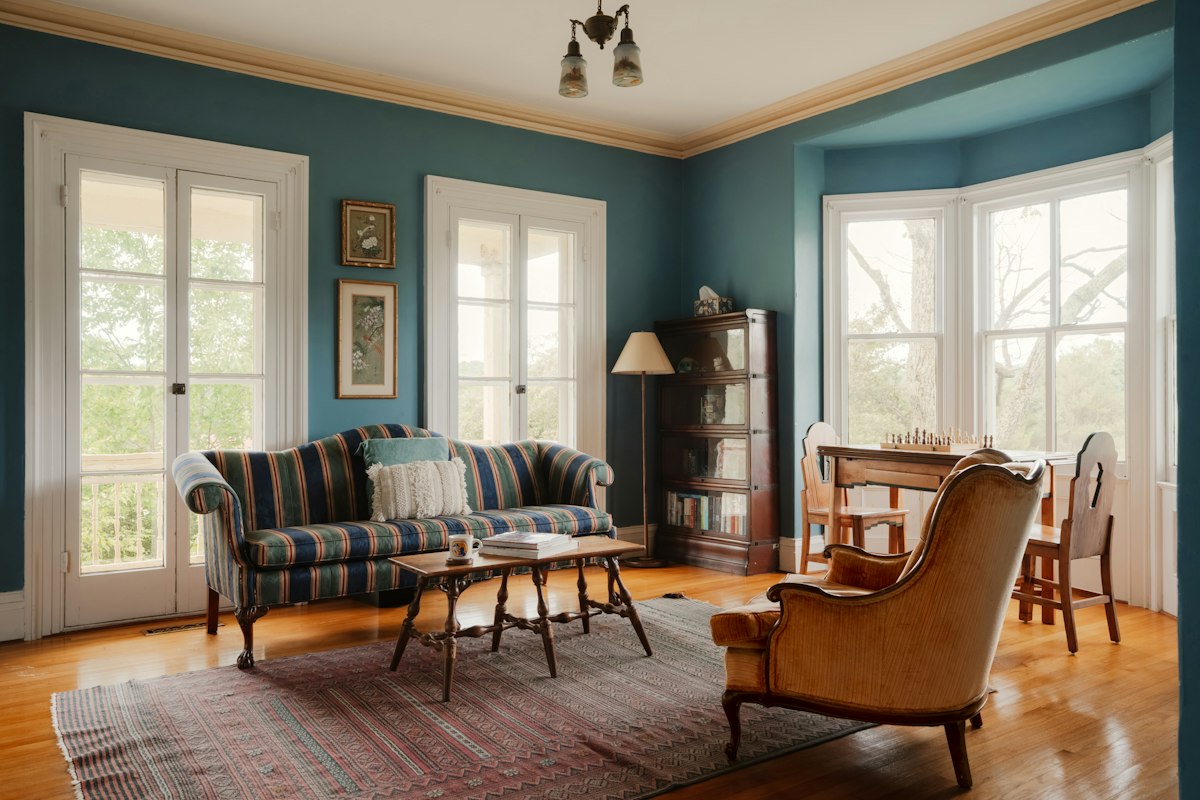
Start by identifying what already works: a comfortable sofa, good timber table or useful storage. Move pieces to test the layout before buying replacements. Changing the relationship between furniture can solve a room problem that initially looks like a style issue.
Choose a small palette from the retained items and improve one weak link at a time. Better lighting, appropriate curtain width or a larger rug may connect the room more effectively than several accessories. Measure before ordering anything new.
Repair serviceable pieces when the cost and condition justify it. Keep the project focused on comfort and daily use. A considered refresh makes the existing room work better instead of replacing every object simply to create a matching appearance.
Assess the retained furniture by comfort, condition and usefulness before judging whether it matches. A worn but repairable table or a well proportioned sofa may provide a stronger starting point than a set of new objects chosen together. Identify the pieces that genuinely cause difficulty and those that simply need a different relationship. This distinction keeps the refresh focused on actual problems, allowing a room with mixed origins to feel deliberate without erasing its character.
Try alternative layouts before buying replacements. Move a chair, change the position of a table or remove a piece that duplicates another function. Check the routes and views after each meaningful change. Furniture that appeared unsuitable against one wall may become useful elsewhere. The experiment should consider occupied seating and open storage, not just the empty arrangement. A better layout can resolve crowding or disconnection that initially seemed to demand an entirely new style.
Find a practical connecting palette in the objects that remain. A colour from artwork, a timber undertone or a textile can give the next purchases a clear direction. Do not force every piece into an exact match. A few repeated relationships are often enough to make different periods or finishes feel intentional. Choose the largest missing element carefully, since a suitable rug or curtain can influence the room more than several unrelated decorative objects scattered around it.
Consider repairs and maintenance with realistic expectations. Ask an appropriate specialist about a valuable or uncertain finish rather than experimenting with a treatment intended for another material. Compare the scope and suitability of a repair with the way the furniture will be used afterward. An improvement should preserve useful function as well as appearance. Keep product information for any new finish or fabric so future care is not based only on memory of what was changed.
Finish in stages and allow the room to be used between decisions. Better lighting or one well sized addition may reveal that fewer purchases are needed than first expected. Notice which changes improve everyday comfort and which simply create more objects to arrange. The result does not need to look as though everything was bought together. A successful refresh makes retained furniture feel connected through a clear layout, a manageable palette and a room that works more comfortably for its household.
Measure your own room and check furniture, fixing and care instructions before buying. Have heavy wall mounted items and permanent electrical changes assessed by competent professionals where the installation requires it.