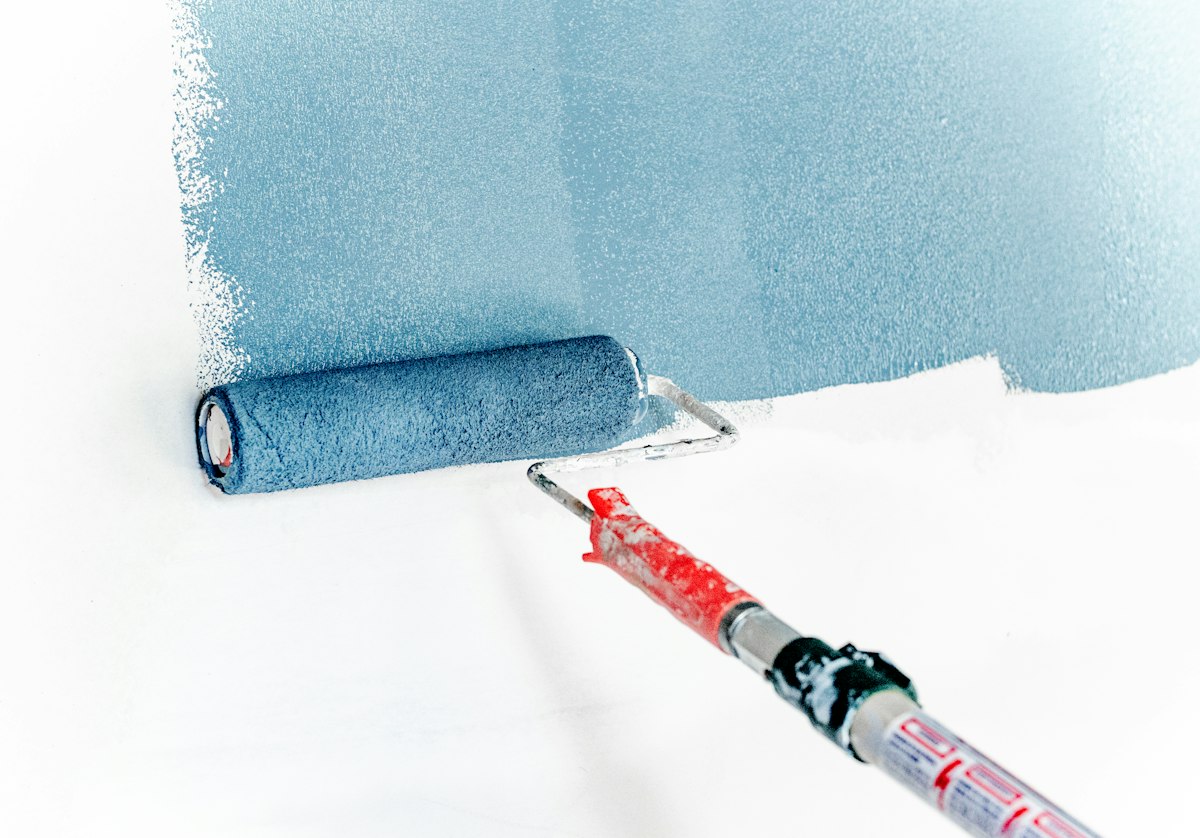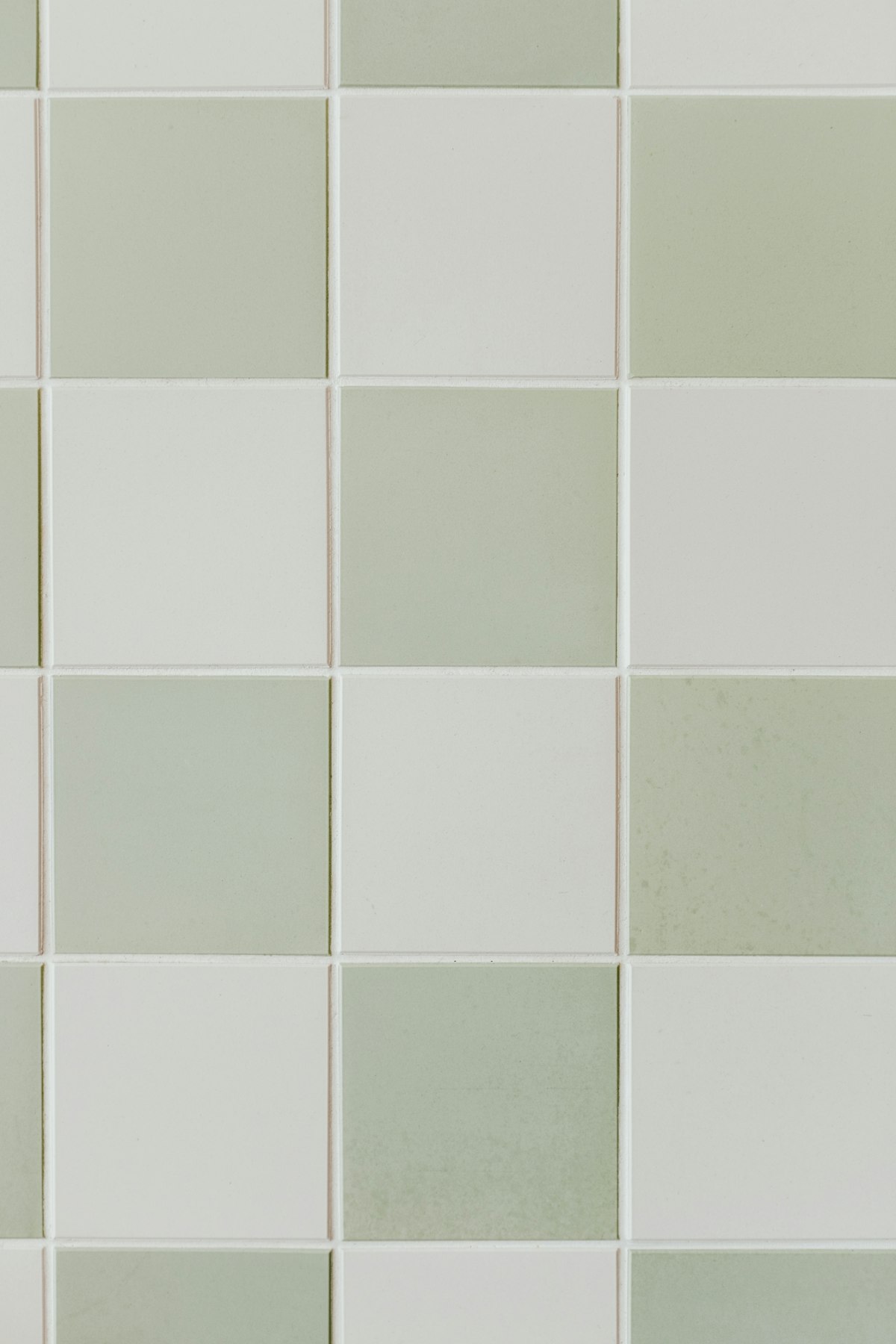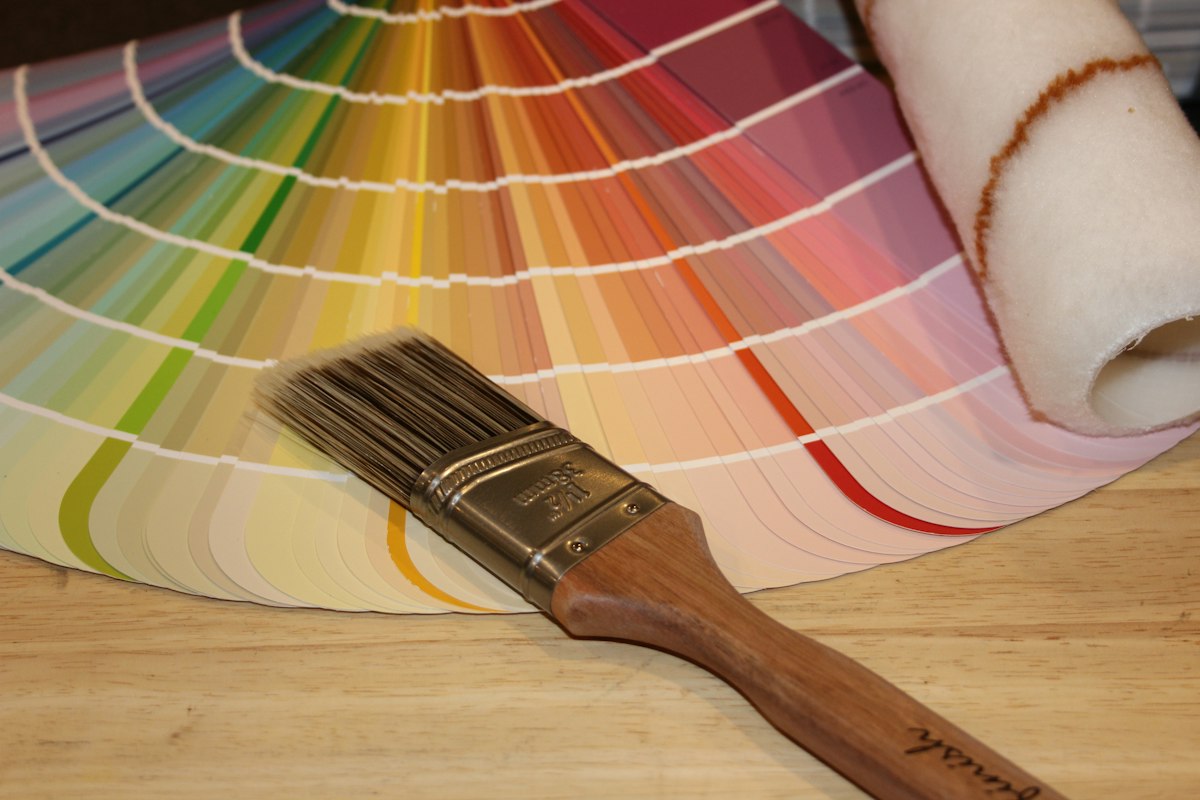
Gather the main finishes in one place and compare them under the actual room light. A worktop, floor and cabinet sample can each look attractive alone while clashing as a group. Include retained materials in the comparison rather than treating the room as a blank canvas.
Move the samples between bright and shaded positions and examine them under evening lighting. Keep the chosen surface finish visible because gloss and texture influence colour perception. Larger samples are especially useful for materials with substantial variation.
Label approved choices and photograph the group for reference, while remembering that the image will not reproduce colour perfectly. Confirm product codes before ordering. A small coordinated sample set can prevent expensive decisions based on isolated digital swatches.
Start with the finishes that cannot easily change, such as an existing floor or a retained countertop. Place new samples beside those elements rather than arranging them on an unrelated white desk. This reveals relationships that a collection of separately attractive samples can hide. A colour scheme needs to work with the actual room, including what will remain after the project.
Use a manageable group of options and label every piece with its product and intended location. Keep rejected alternatives separate so they do not drift back into the decision accidentally. A sample without a reliable reference can become frustrating when the order is placed. Record the supplier and finish as carefully as the broad colour or material description.
Look at the samples in the orientation in which they will be used. A vertical wall tile and a horizontal worktop catch light differently, even when they share a similar tone. Move the group between the relevant positions and view it under the planned lighting. This provides a more realistic comparison than stacking every surface flat on the floor.
Ask how representative the sample is of the eventual supply. Natural materials and patterned products may vary considerably, while a tiny chip may show only one quiet part of a larger design. Request larger examples or images of the actual batch where appropriate. Understand those limits before treating one especially attractive sample as a guarantee of the finished surface.
Test practical qualities only in ways the supplier permits. You can examine texture, feel and the visibility of ordinary fingerprints without conducting an improvised stain or heat experiment. A destructive test on a borrowed sample may be misleading as well as inappropriate. Use documented suitability and care instructions to answer questions that a visual comparison cannot establish.
Approve the final group as a connected specification rather than a series of isolated purchases. Photograph it for reference, but retain the physical samples because a screen will change the colour. Share the exact selections with the installer and identify unresolved edges or junctions. This small coordinated record can prevent a last minute substitution from disrupting the entire palette.
Always use the guidance for the exact product and finish in your home. Seek a qualified assessment before disturbing uncertain old materials, and do not treat general care advice as a substitute for diagnosing damage.