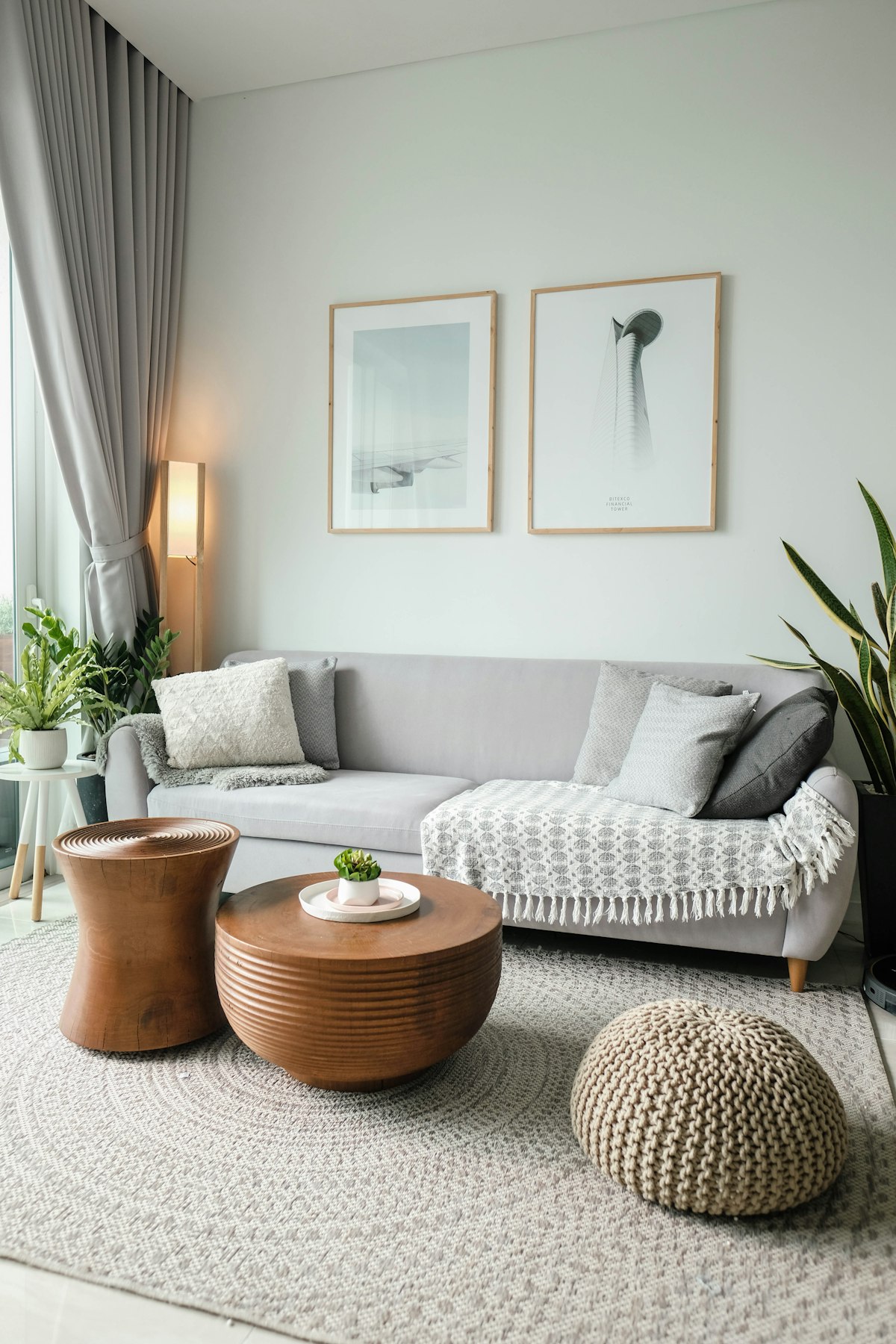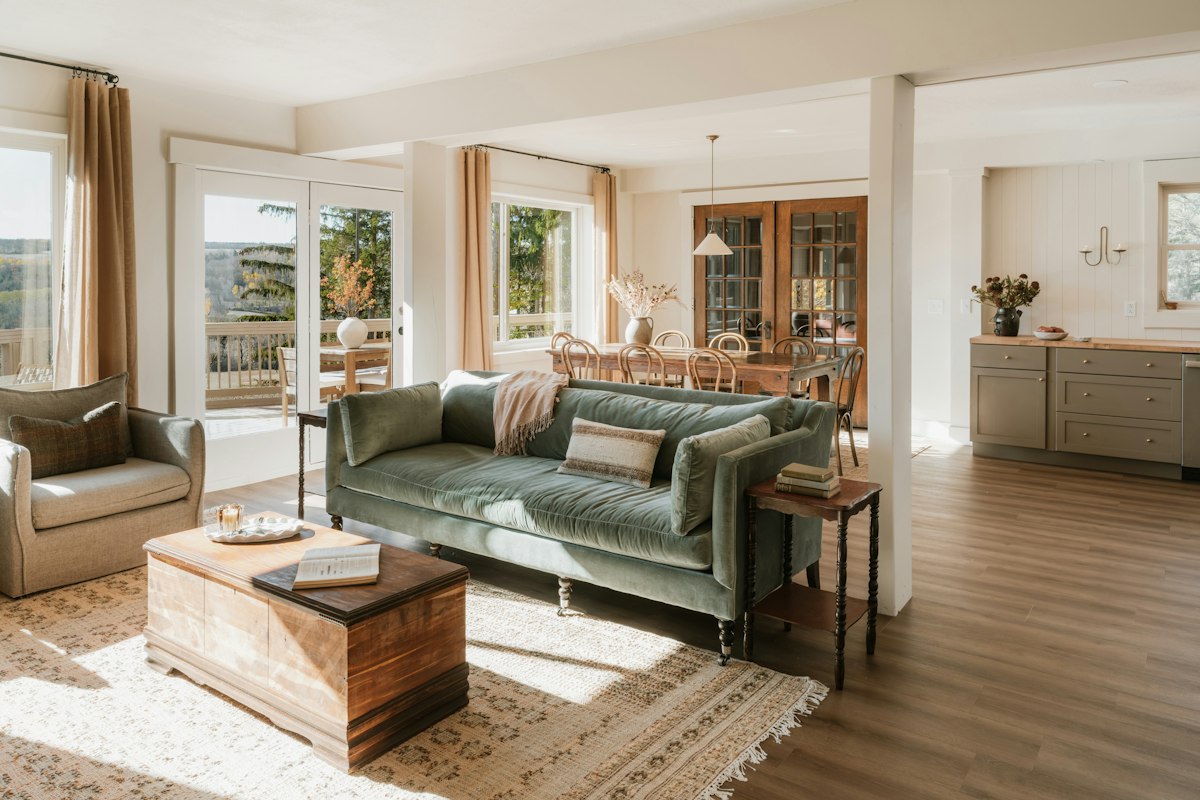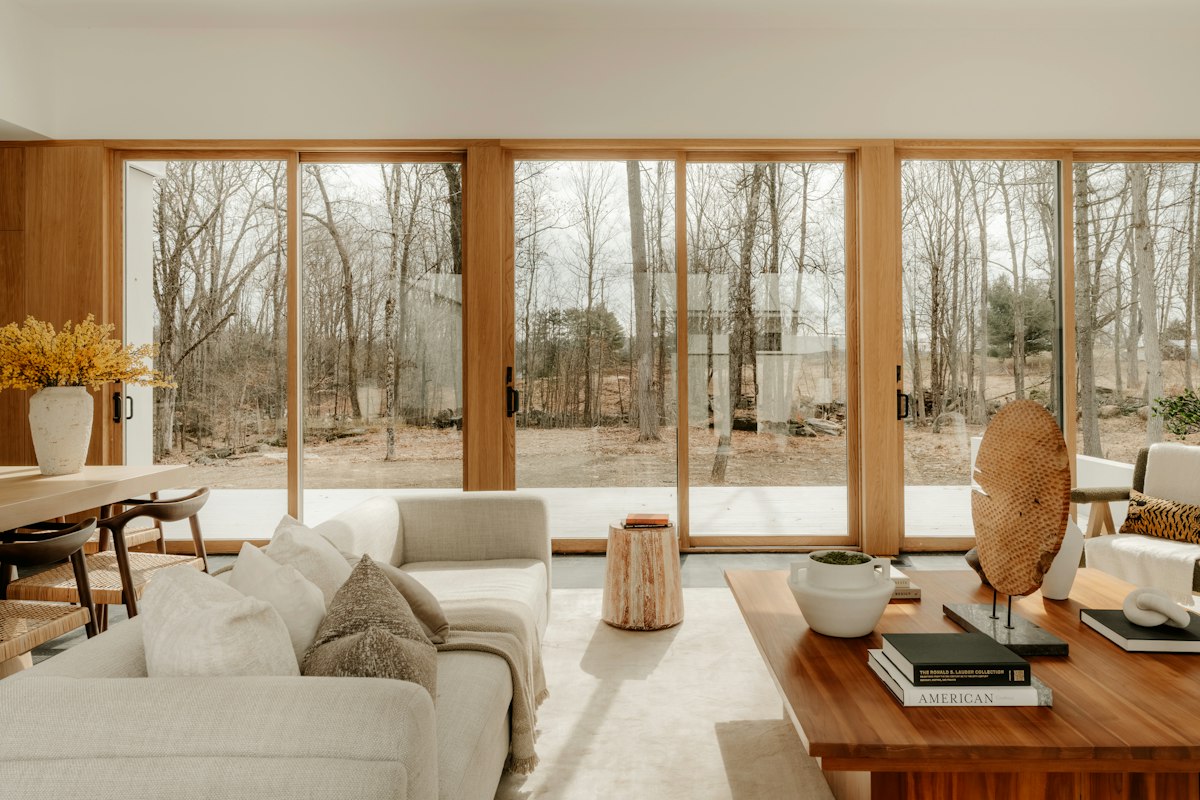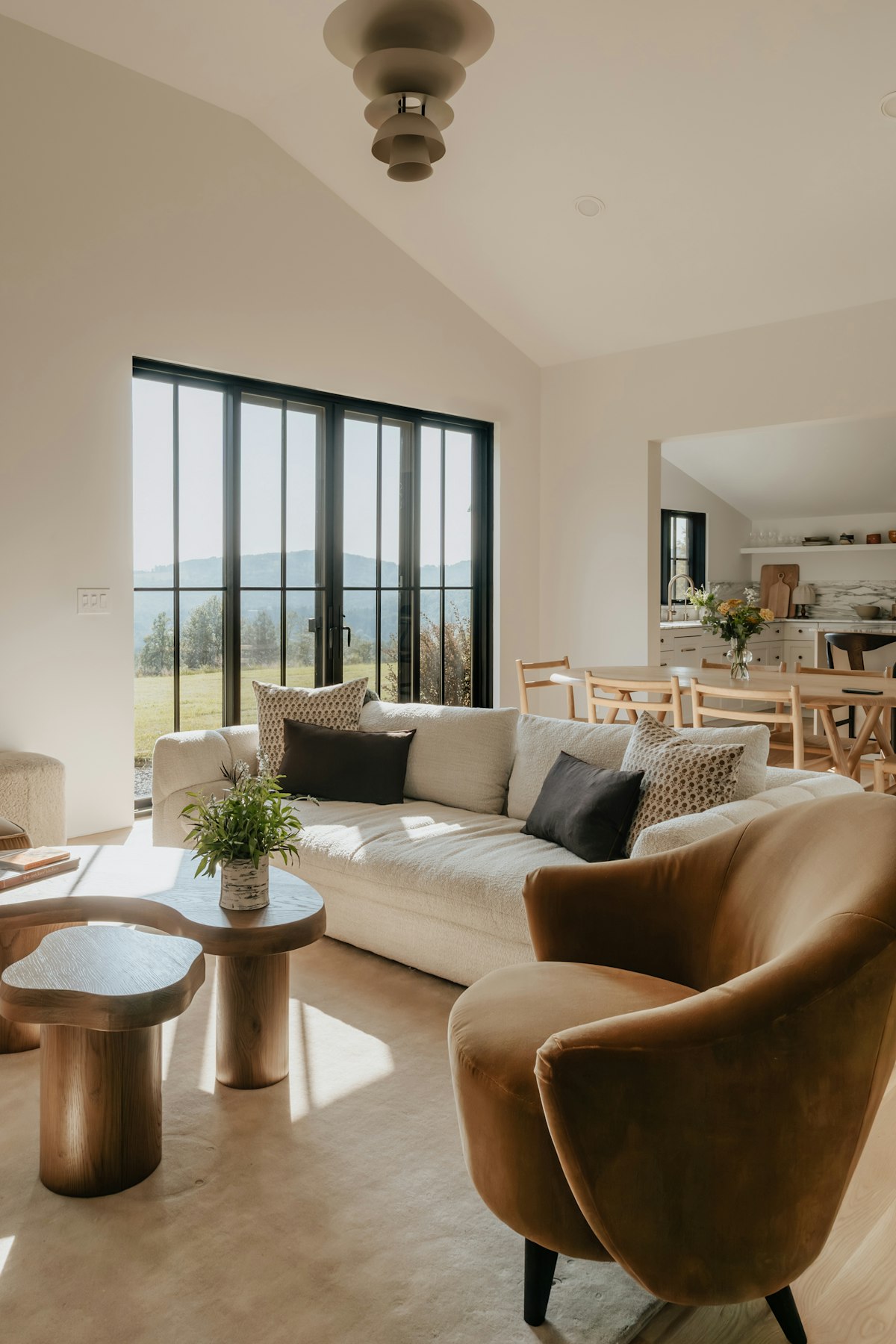
Consider what the mirror will reflect from the places people usually sit. A reflection of daylight, artwork or an appealing part of the room can add depth. A reflection of clutter or direct glare may make the same wall feel more distracting.
Choose size and shape in relation to the furniture below it. Check the weight and mounting requirements with a suitable installer, particularly for large glass. Do not rely on ordinary picture hooks unless they are rated for the actual load and wall.
Try a temporary view assessment before committing to the position. Keep the surrounding arrangement simple enough for the reflection to make sense. A mirror is most useful when it improves a real sightline rather than being added only because the room is small.
Assess the reflection from several positions before deciding where a mirror belongs. The doorway, sofa and an adjacent chair may each receive a very different view. A mirror that reflects a pleasant window from one angle might show a busy storage area from another. Use those ordinary sightlines to guide the decision. The benefit comes from improving what is actually seen in the room, rather than from placing a reflective surface on the largest available section of wall.
Consider the light source being reflected. Daylight can brighten the impression of a room, but direct sun or an exposed lamp may produce uncomfortable glare. Check the position at the times the space is most often used. A slightly different angle or location may preserve the appealing reflection without directing brightness toward the main seat. Do not assume that adding another reflective surface will automatically make every part of the room more comfortable.
Choose the scale in relation to the wall and the furniture below. A small mirror above a wide cabinet can look disconnected, while a very large one may dominate a compact room. Try a paper outline to understand the proportions before buying. Consider the frame as well as the glass. A visually heavy frame changes the effect even when the reflective area is the same size as a simpler model, especially beside detailed artwork or patterned curtains.
Have the weight and fixing arrangement assessed for the actual wall. A decorative leaning mirror may still need the securing method specified by its manufacturer. Do not rely on its weight or the furniture in front of it to keep it in place. Obtain competent help where the mounting detail is uncertain and retain the product instructions. A good visual position must also be a position where the mirror can be installed and maintained appropriately.
Keep the reflected composition reasonably calm after the mirror is in use. Objects placed on the cabinet below it will appear again in the glass, increasing their visual presence. A small group may therefore work better than a crowded display. Clean the mirror with methods suitable for its finish and edges. Review the effect during an ordinary evening, when lamps and belongings are present. The most useful mirror improves a real view rather than creating another busy surface to manage.
Measure your own room and check furniture, fixing and care instructions before buying. Have heavy wall mounted items and permanent electrical changes assessed by competent professionals where the installation requires it.