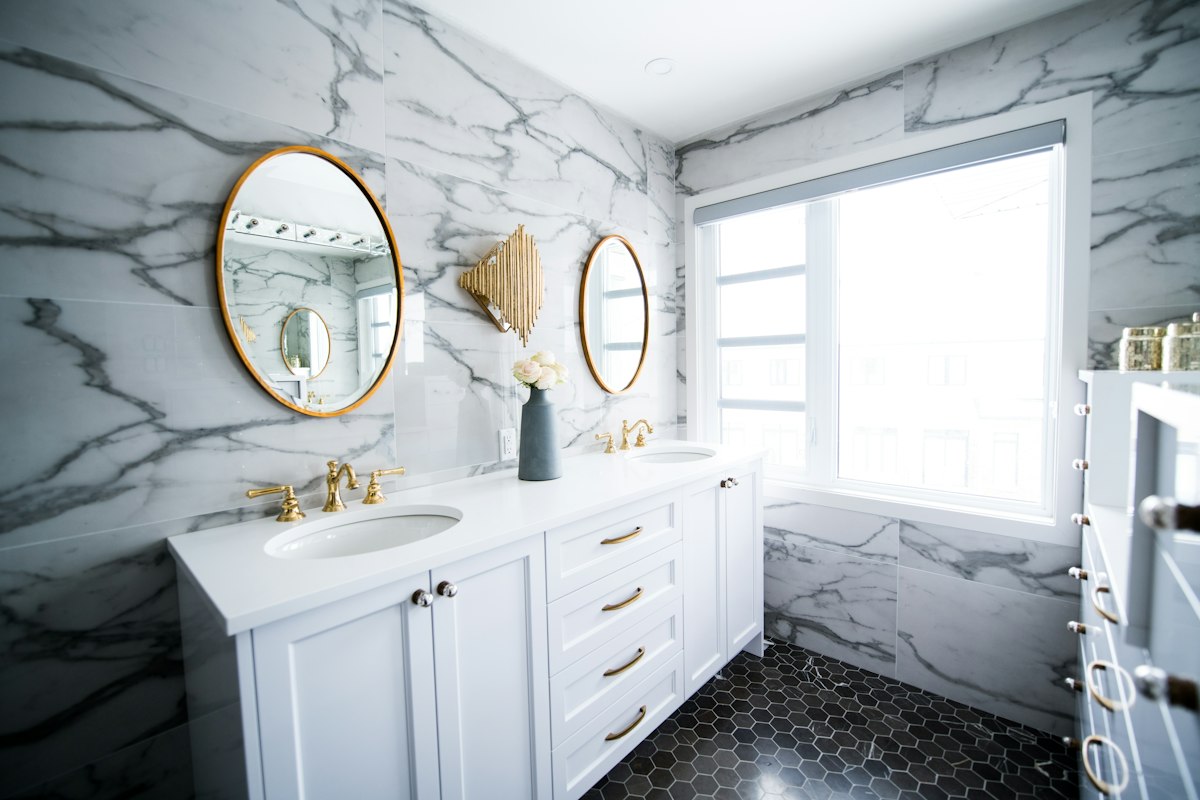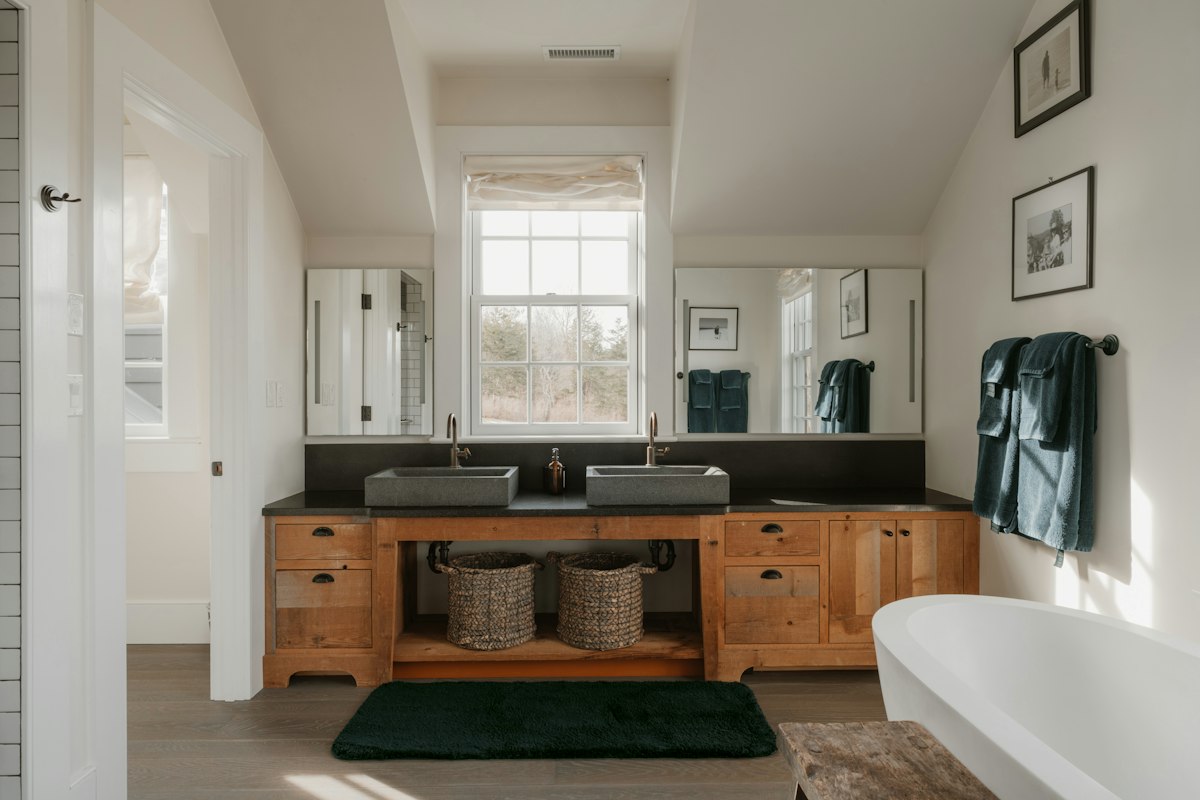
Timber tones and textured surfaces can soften a bathroom, but material suitability must lead the choice. Distinguish a timber effect tile from actual timber and read the care guidance for each. Similar appearances can involve very different installation and maintenance needs.
Place vulnerable decorative items outside routine splashing and keep them easy to remove for cleaning. Ask the installer about appropriate products for shelves and vanity details. Avoid sealing an unsuitable material into a wet area simply because it matches the intended mood.
Balance warm finishes with sufficient light and washable surfaces. A small accent can provide character without increasing maintenance throughout the room. Inspect its condition over time and address moisture sources before they damage surrounding materials.
Decide whether you want the warmth of a colour, a texture or a particular natural material. Those are related but different goals. A timber tone in an approved cabinet finish may provide the atmosphere you want without placing untreated wood beside routine splashes. A suitable textured tile may give a stone like appearance with different maintenance requirements from natural stone. Begin with the desired effect, then choose a product that suits the actual location.
Review the level of exposure for each proposed surface. A dry shelf has a different task from a shower wall or floor, and a material suitable for one should not automatically be repeated everywhere. Ask the supplier and installer about the exact finish, supporting system and care routine. The strongest bathroom schemes often use a warm material selectively. Limiting its location can allow it to remain a clear visual feature without creating an unnecessary maintenance burden.
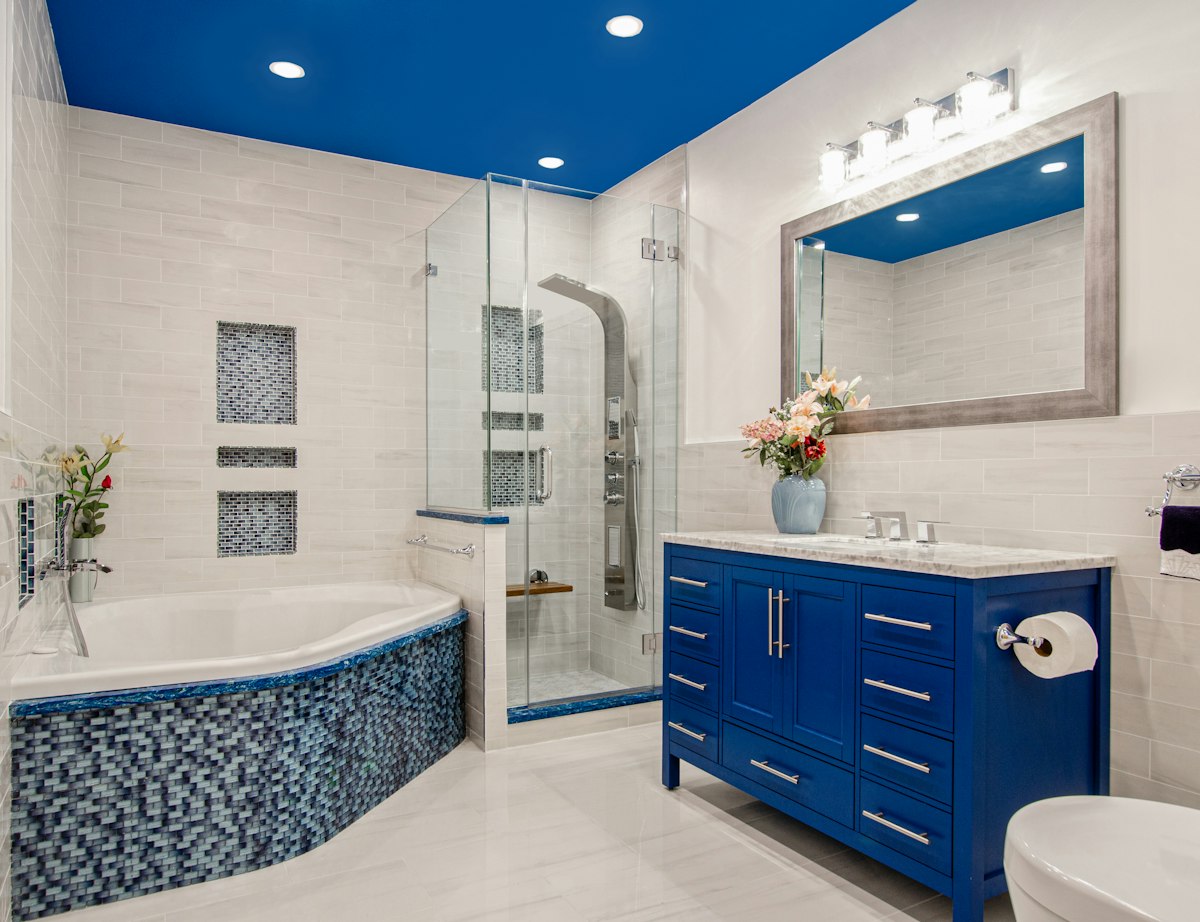
Bring samples together under the planned lighting. Warm cabinet fronts, grout, painted walls and metallic fittings can each influence the others. Too many different warm tones may make a room feel muddled rather than comfortable. Allow one material to lead and choose quieter neighbours that make its colour clear. Compare a sample in both daylight and evening light so the scheme is not approved only under a favourable showroom lamp.
Think about how the surface will be touched and cleaned. A deeply textured finish can catch residue in places that are awkward to reach, while a smooth protective coating may have its own restrictions. Ask what ordinary care involves and decide whether that fits the household. Avoid assuming that natural always means simpler or that a decorative imitation automatically has no maintenance needs. The exact product guidance is more useful than a general material reputation.
Protect the intended effect by using fewer competing accessories. A warm vanity or a textured wall may need little additional decoration, especially in a small room. Keep textile storage and lighting practical so the material can contribute atmosphere without dominating the plan. Retain finish references for repair and cleaning advice. A bathroom feels inviting when its surfaces are both appealing and appropriate, allowing the design to be enjoyed through ordinary use rather than carefully avoided.
A bathroom must be assessed as a complete installation. Confirm product suitability, waterproofing, ventilation and applicable local requirements with qualified installers before beginning work or purchasing fitted components.